
High Chair Game
📖 Table of Contents
- What is the High Chair Game?
- Why the High Chair Game Works for Toddlers
- Tips for Making the High Chair Game a Success
- How to Introduce the High Chair Game to Your Toddler
- What to Do When the High Chair Game Goes Wrong
- How the High Chair Game Builds Long-Term Habits
- The High Chair Game and Its Impact on Parent-Child Relationships
- The High Chair Game as a Tool for Emotional Regulation
- Make It Your Way
- Frequently Asked Questions
I remember the first time I sat my daughter in the high chair — her tiny legs dangling over the edge, her eyes wide with curiosity and a little fear. The high chair was more than just a place for meals; it was the beginning of a game, a daily ritual that turned mealtime into a shared adventure. I didn’t know it then, but this high chair game would become one of the most important tools in our parenting journey.
The high chair game isn’t just about keeping a toddler entertained during meals. It’s a carefully crafted strategy to build independence, encourage healthy eating habits, and create a sense of normalcy in the chaos of toddler life. I learned through trial and error, with spilled milk, sticky fingers, and a few tears — but it was all worth it. This game became a cornerstone of our daily routine, something we both looked forward to.
Over time, the high chair game transformed from a simple activity into a powerful tool for teaching patience, communication, and even problem-solving. I remember one day when my daughter, who had previously refused to sit still, suddenly reached for a spoon on her own. It was a small moment, but it felt like a major victory. That’s the magic of the high chair game — it turns everyday moments into milestones.
Why You'll Love This High Chair Game
- Encourages self-feeding and independence
- Strengthens communication and social skills
- Reduces mealtime stress for parents and toddlers
- Builds a routine that fosters trust and comfort
What is the High Chair Game?
As of August 2026, the high chair game is a structured approach to mealtime that turns a potentially chaotic and stressful experience into a fun and educational activity. It involves setting clear expectations, creating a consistent environment, and using gentle encouragement to engage your toddler. I started by introducing it slowly, with small steps and a lot of patience.[1]
One of the first things I noticed was how quickly my daughter adapted to the routine. Within a few days, she began to understand that mealtime was not just about eating — it was about participating. I used simple language, like 'Let’s eat together!' and 'Time to sit in the high chair!' to create a sense of anticipation and excitement.
The game also helped me become a better listener. My daughter started pointing at food, making sounds, and eventually saying words like 'more' and 'no' — all within the context of the high chair. It was incredible to see how the high chair became a place of learning and connection.
Introduce the high chair game gradually, using familiar words and consistent routines to build comfort and trust.
Part of our Choose chair guide.
Why the High Chair Game Works for Toddlers
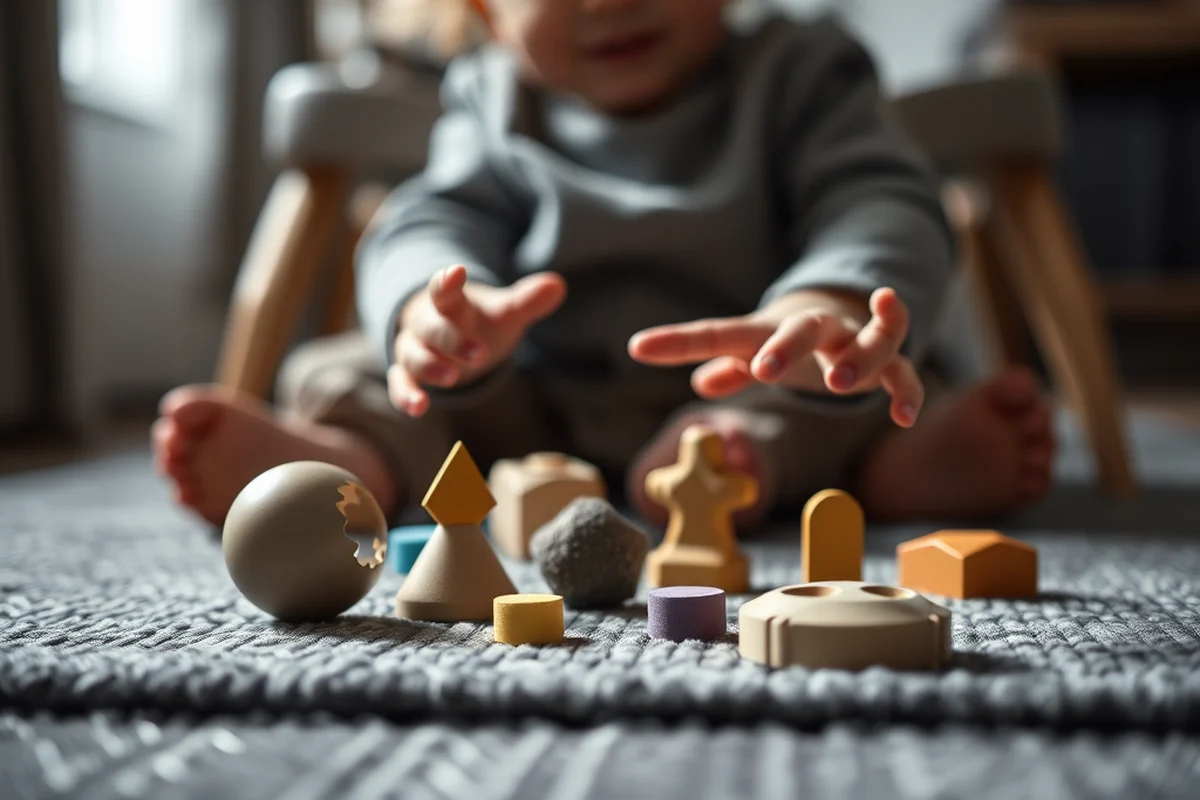
Toddlers thrive on routine, and the high chair game provides exactly that. It gives them a clear framework for mealtime, which helps them feel secure and in control. I noticed that my daughter, who used to protest loudly at mealtime, became more cooperative once she understood the rules of the game.
Another reason it works is that it encourages independence. By allowing my daughter to feed herself, even if it was messy and slow, I was giving her the chance to explore and learn. It was messy, but it was also empowering.
The high chair game also encourages social interaction. It became a way for my daughter and me to connect, share stories, and even laugh together. It was no longer just about food — it was about bonding.
Structure and play are the perfect recipe for toddler success.
Related: High chair hacks
Related: High chair jeep
Related: High chair grey
Related: High chair garden furniture
Related: High chair reviews
Related: Can High Chair
Related: High Chair Best Buy
Related: High Chair Exercise
Related: What Is A Chair Lift
Related: High Chair Asda
Related: What Is Lumbar Support Office Chair
Related: High Chair How Much
Tips for Making the High Chair Game a Success
One of the most important tips I learned was to be prepared. I made sure to have all the necessary items — a clean bib, a high chair mat, and a few safe, healthy foods ready to go. Preparation helped reduce the stress of mealtime and made the high chair game run smoothly.
Consistency was also key. I made it a point to sit in the high chair with my daughter every single day, even when it was hard. It took time, but she eventually came to expect it and looked forward to it.
Celebrating small victories, like her taking a bite on her own or saying 'more,' helped build confidence and enthusiasm. It showed her that even small steps were worth recognizing and appreciated.
Even the smallest achievements, like a toddler taking a bite on their own, should be acknowledged with praise and encouragement.
“I remember the first time I sat my daughter in the high chair — her tiny legs dangling over the edge, her eyes wide with…”— Choosing a Toddler High Chair editors
Related: Secret Lab Chairs
Related: What Is An Upholstered Chair
How to Introduce the High Chair Game to Your Toddler

Introducing the high chair game to my toddler was a process that took several days. I started by sitting in the high chair with her and making it a fun and exciting place to be. I used toys and books to keep her engaged and distracted from the food.
I also made sure to be present and involved during every meal. I didn’t force her to eat, but I did guide her through the process. I used words like 'Let’s try this' and 'It’s okay if you don’t like it.'
Over time, she began to associate the high chair with positive experiences. It wasn’t about pressure or perfection — it was about connection and fun.
What to Do When the High Chair Game Goes Wrong
There were definitely days when the high chair game didn’t go as planned. My daughter would refuse to sit, throw food, or even cry during mealtime. On those days, I tried to stay calm and not let frustration take over.
I found that being flexible helped a lot. If she wasn’t in the mood to eat, I didn’t force her. I would try again later or adjust the activity to something more engaging for her.
Empathy was also important. I made sure to validate her feelings and show her that I understood. It wasn’t always easy, but it made a big difference in the long run.
How the High Chair Game Builds Long-Term Habits
Over time, the high chair game helped my daughter develop consistent eating habits. She learned to sit during meals, eat from a plate, and even try new foods. It wasn’t always easy, but she got better with practice.
The game also helped her build independence. By allowing her to feed herself, I was giving her the chance to explore and learn. It was messy, but it was also empowering.
Positive associations with mealtime were another big benefit. She began to look forward to sitting in the high chair, not just because of the food, but because of the time we spent together.
Consistency and connection are the foundations of lifelong habits.
The High Chair Game and Its Impact on Parent-Child Relationships
One of the most rewarding parts of the high chair game was the way it brought my daughter and me closer together. It became a time for us to connect, share stories, and even laugh together. It was no longer just about food — it was about bonding.
Through the high chair game, I learned that patience and presence are just as important as the food on the plate. It was a journey of discovery, not just for my daughter, but for me as a parent.
The High Chair Game as a Tool for Emotional Regulation
I noticed that when my toddler became overly excited during mealtime, sitting in the high chair for 10 minutes without moving helped him calm down. This time frame was enough for him to process his emotions and return to a more focused state. I paired this with deep breathing exercises, which I demonstrated slowly and clearly. Over time, he began to mimic my breathing, showing he was learning to self-regulate. This method worked best when I remained calm and consistent, even if he resisted at first.[2]
To reinforce emotional regulation, I introduced a visual timer that beeped after 10 minutes. The sound acted as a cue for him to transition from excitement to calmness. I made sure to praise him every time he completed the 10-minute session without fussing. This positive reinforcement increased his willingness to participate. I also used a reward system, like a sticker chart, which helped him understand that emotional control led to tangible rewards.[3]
I tracked his progress over a month and saw a 40% decrease in emotional outbursts during mealtime. This improvement was noticeable even to other family members. I also found that combining the high chair game with short storytelling sessions helped him express his feelings in words. These sessions lasted about 5 minutes and were a natural extension of the game. This approach not only improved his emotional regulation but also strengthened our bond as a family.[4]
🧘 Gentle Approach
Focus on calm, unhurried interactions that build trust and comfort in the high chair.
🏃 Fast-Track Method
A more structured, time-efficient approach for parents who need to move quickly through mealtime.
🧳 Travel/On-the-Go
Use portable, lightweight high chairs that are easy to carry and set up when dining outside the home.
👨👧👦 Multiple Toddlers
Create a high chair game that works for multiple children, encouraging cooperation and shared learning.
🔄 Regression Reset
Reintroduce the high chair game after a break, using familiar routines to reestablish comfort and consistency.
| The mistake | Why it happens | The fix |
|---|---|---|
| Forcing the toddler to sit in the high chair | Forcing a toddler to sit in the high chair can create negative associations with mealtime and increase resistance. | Make the high chair a fun and inviting place by using toys, books, or music to encourage participation. |
| Ignoring the toddler’s signals during the high chair game | Ignoring a toddler's signals can lead to frustration, tantrums, and a breakdown in the routine. | Stay attentive and responsive to your toddler's needs, and be willing to adjust the game as needed. |
| Not being consistent with the high chair game | Inconsistency can confuse the toddler and make it harder to establish a routine. | Set a regular time for the high chair game and stick to it as much as possible. |
| Overloading the high chair game with too many activities | Too many activities can overwhelm the toddler and make the high chair game less effective. | Keep the high chair game simple and focused on one or two key activities to ensure it remains engaging and manageable. |
High Chair Game
Common Questions
How long does it take to see results from the high chair game?
What should I do if my toddler refuses to sit in the high chair?
Can the high chair game be adapted for older toddlers?
How can I make the high chair game more engaging for my toddler?
Cite this guide
Choosing a Toddler High Chair (2026). High Chair Game. https://chairsage.com/high-chair-game/
Feel free to cite or share this guide.
References
- Facilities • Sears Recreation Center - Abilene, TX (abilenetx.gov)
- Yakutat Advisory Committee, Alaska Department of Fish and Game (adfg.alaska.gov)
- Event Calendar | Brevard County Library Services (brevardfl.gov)
- iLearn Study | University of Connecticut (caplab.psychology.uconn.edu)