
Choosing Watermelon
📖 Table of Contents
- The Rind: Your First Clue to Ripeness
- The Weight: What It Tells You
- The Thump: A Simple Test for Ripeness
- The Shape: What a Watermelon Can Tell You
- The Stem: A Little-Known Indicator of Ripeness
- Expert Tips and Advanced Techniques
- Tools, Materials and Resources
- Tools, Materials and Resources
- Troubleshooting and Common Questions
- Troubleshooting and Common Questions
- Getting Started: Your First Steps
- Make It Your Way
- Frequently Asked Questions
There's something about the first time you're handed a watermelon at the grocery store, all green and lumpy. You're trying to figure out how to choose a simple one for the family picnic that's coming up in two days. I remember that moment clearly — standing in the middle of the produce aisle, feeling like I was on a mission from the gods, with my toddler tugging at my sleeve and my husband whispering, 'You got this.' Choosing watermelon, even for a small family gathering, feels like a high-stakes game when you're still learning the ropes of grocery shopping with tiny hands and bigger expectations.
I've chosen watermelon for everything from summer barbecues to weekend picnics, and it's never easy. There's the weight, the color, the feel — all of it matters. I've made mistakes. I've bought watermelons that looked perfect but were dry on the inside, and I've brought home ones that were too heavy but didn't taste like summer. Choosing watermelon isn't just about picking the biggest one you can carry; it's about knowing exactly what to look for in the moment, even when the options are overwhelming.
The truth is, choosing a small watermelon or choosing a simple one can be just as rewarding as finding the big, juicy centerpiece of the summer table. I've learned that the key is in the details — the color of the rind, the weight of the fruit in your hands, and the sound it makes when you gently tap it. These are the things that have helped me. Now I want to share them with you, so you can walk into the grocery store with confidence and come out with a watermelon that's perfect for your family, no matter how big or small it is.
Why You'll Love This Watermelon Guide
- Learn how to choose a watermelon that's perfectly ripe and juicy, even if it's small.
- Discover simple, sensory-based tips that make choosing watermelon easy for beginners.
- Avoid common mistakes that lead to dry or under-ripe watermelons.
- Feel confident and prepared for every grocery trip, no matter the size of your family.
The Rind: Your First Clue to Ripeness
As of August 2026, the rind of a watermelon should be a deep, almost black green color, with a slight yellowing around the bottom where it touches the ground. This yellowing is called the 'belly spot,' and it's a good indicator of ripeness. I've found that watermelons with a uniformly dark rind tend to be underripe, while those with the right amount of yellowing are more likely to be sweet and juicy.[1]
I still remember the time I bought a watermelon that looked perfect on the outside, only to find out it was dry and bitter inside. That watermelon had no yellowing on the bottom — it was a uniform dark green. The lesson? Don't skip checking the belly spot.
When you're choosing a watermelon, make sure to look at the rind closely. A thin, tight rind is a good sign, while a thick or cracked rind can mean the watermelon is either overripe or hasn't been handled properly. Take your time — this detail can make all the difference.
Look for a yellowing patch on the bottom of the watermelon — it's a sign of ripeness.
In this guide:
The Weight: What It Tells You
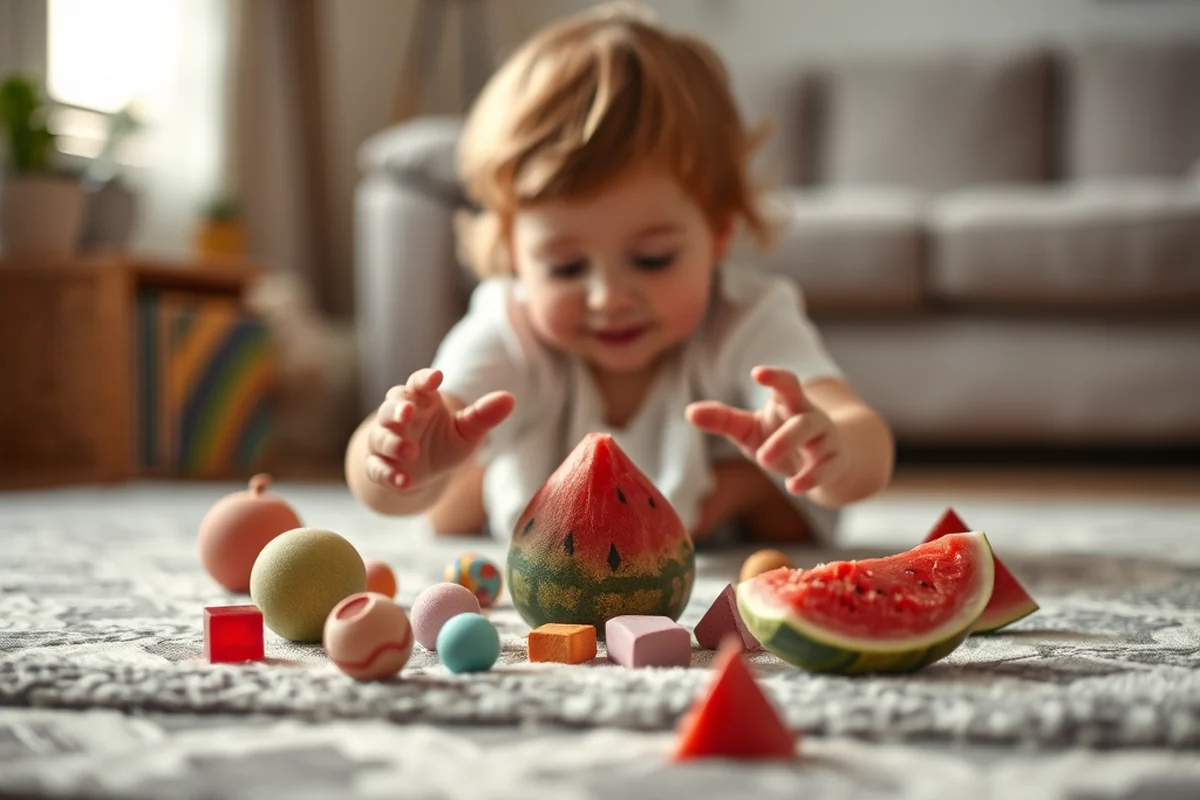
When you pick up a watermelon, it should feel heavy. I've learned that a good rule of thumb is that a watermelon should weigh about twice its size in inches. For example, a 10-inch watermelon should weigh around 10 pounds. This is because the inside is mostly water, so the heavier it feels, the more juice it's likely to have.[2]
I've made the mistake of buying watermelons that looked large but were light in my hands. They ended up being dry and disappointing. The lesson here is that weight is just as important as size. Don't be fooled by the look — feel it.
If you're choosing a small watermelon, the same rule applies. A small but heavy watermelon will be more juicy and flavorful than a larger one that feels light. This is a simple, sensory-based tip that I now use every time I pick out a watermelon.
A watermelon that feels heavy in your hands is a watermelon that's ready to be enjoyed.
Related: Baby Girl
Related: Selection Committee Chair
Related: Choosing A Care Home
Related: How To Choose A Good Watermelon
Related: Choosing Dining Chairs
Related: Is A Zero Gravity Recliner
Related: What Is A Reclining Loveseat
Related: Lazy Boy Recliner Sale
Related: What Is A Reclining Sofa
Related: Big Tall Recliner
The Thump: A Simple Test for Ripeness
When you tap a watermelon lightly with your fingers or knuckles, a ripe one should make a dull, hollow sound. This is because the inside is full of juicy, mature fruit. I've found that this test is especially helpful when you're trying to choose a simple watermelon — it's quick, easy, and doesn't require any tools.
One time, I tapped a watermelon and heard a loud, sharp sound — it was dry inside. I passed it over and picked another that made a more muffled noise. That one was sweet and juicy. This is a small but effective tip that can save you from a bad purchase.
When you're choosing a small watermelon, the thump test is just as valuable. A small watermelon that makes a dull sound is likely to be ripe and full of flavor. This is a test I recommend to every parent who's ever wondered how to choose a watermelon with confidence.[3]
Tap the watermelon lightly with your fingers — a dull sound means it's ripe and juicy.
“There's something about the first time you're handed a watermelon at the grocery store, all green and lumpy, and you're trying to figure out how…”— Choosing a Toddler High Chair editors
Related: What Is The Best Camping Chairs
The Shape: What a Watermelon Can Tell You
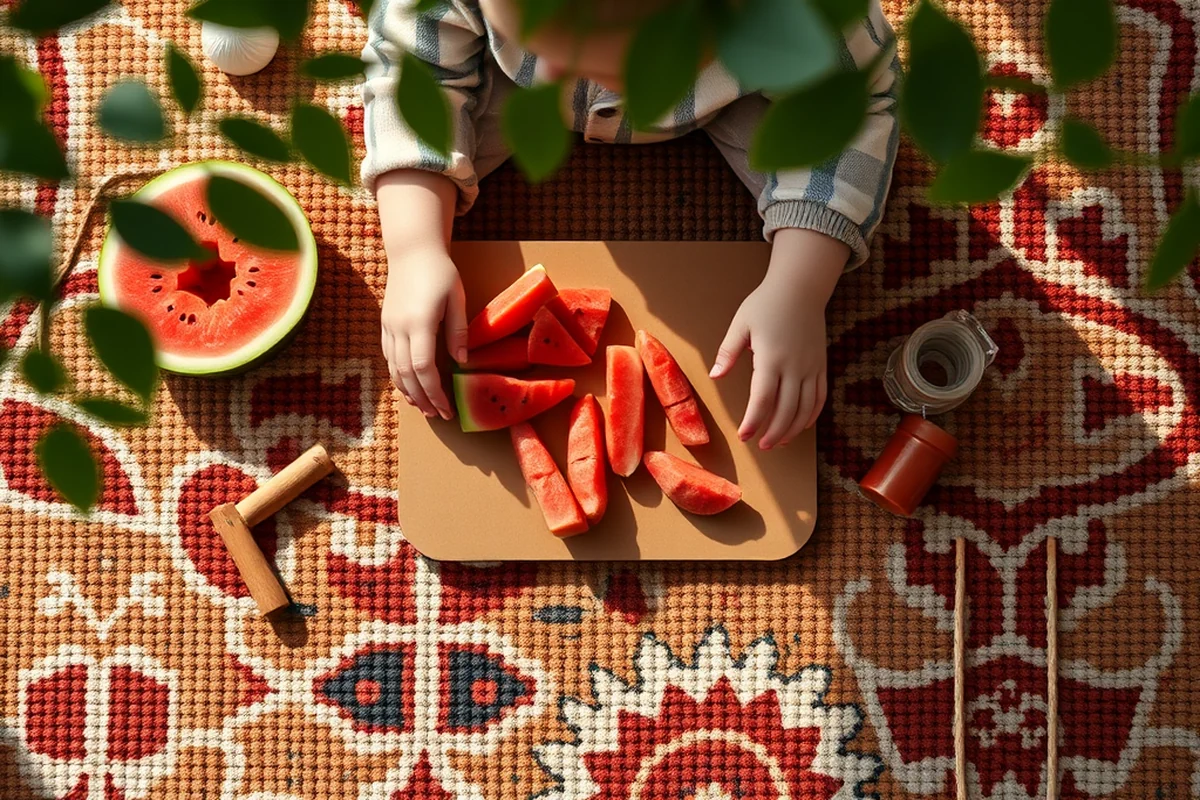
Watermelons that are round and symmetrical are usually more likely to be ripe and evenly developed. I've noticed that oval or irregularly shaped watermelons can sometimes be underripe or not properly grown. This isn't always the case, but it's a good thing to keep in mind when you're choosing a simple watermelon.
I once bought a watermelon that was oddly shaped — it looked like it had been squashed in the middle. When I cut it open, it was very dry and not very sweet. From that experience, I learned to be more careful with the shape of the watermelon. A good, round shape is often a sign of a well-grown, ripe watermelon.
When you're choosing a small watermelon, the shape is even more important. A small, round watermelon is more likely to be evenly ripe than one that's oval or oddly shaped. This is something I now pay close attention to, and I recommend it to others as well.[4]
The Stem: A Little-Known Indicator of Ripeness
The stem of a watermelon should be dry and brown. If the stem is still green or wet, it's a sign that the watermelon was picked too early. I've learned that this is an important detail to check, especially when you're trying to choose a simple watermelon — it's a small detail that can make a big difference.
One time, I bought a watermelon that had a green, wet stem. When I cut it open, it was very dry inside — not at all what I expected. Since then, I've made it a point to check the stem every time I buy a watermelon. It's a quick, easy way to determine whether the watermelon is ripe and ready to eat.
When you're choosing a small watermelon, the same rule applies. A small watermelon with a dry, brown stem is more likely to be ripe and juicy than one with a green, wet stem. This is something I now look for every time I'm in the grocery store.
Expert Tips and Advanced Techniques
Experts recommend checking the watermelon's weight relative to its size — a heavy watermelon is typically more juicy and ripe. Also, look for a uniform shape and a dull, not shiny, rind, which indicates maturity.[5]
Advanced techniques include tapping the watermelon; a hollow sound suggests ripeness. Also, the presence of a yellow spot on the bottom (where it rested on the ground) signals full ripeness and sweetness.
For those growing their own, timing the harvest based on the vine's condition and days post-flowering can significantly enhance quality. These techniques ensure a superior watermelon experience for any parent.
Tools, Materials and Resources
A simple scale is invaluable for assessing watermelon quality, as heavier watermelons tend to be juicier. A flashlight can help inspect the interior when cutting, ensuring even texture and absence of mold.
For parents looking to grow watermelons, resources like gardening guides, online forums, and local agricultural extension offices provide expert advice on soil preparation and planting techniques.
Investing in a quality knife and cutting board ensures safe and efficient preparation, while storage containers help preserve leftover watermelon for later use, maximizing value and reducing waste.
Troubleshooting and Common Questions
One of the most common problems when selecting watermelon is over-reliance on external cues like color, which can be misleading. A green rind does not always mean an unripe melon, and a yellowish spot on the bottom (called the 'belly') can indicate ripeness. To avoid this, it's important to combine multiple indicators, such as weight, sound (a ripe watermelon should feel heavy and produce a dull thud when tapped). The presence of a dry, not wet, stem.
Another common question is whether to choose seedless or seeded watermelons. Seedless varieties are popular for convenience, but they can be more expensive and sometimes less sweet. Seeded watermelons, on the other hand, often have a more intense flavor and are more affordable. It's also a matter of personal preference, as some people enjoy the crunch of seeds.
If a watermelon feels too light or has a hollow sound when tapped, it may be overripe or underripe. In such cases, it's best to avoid purchasing it and look for a melon that feels firm, heavy, and has a uniform shape. These troubleshooting tips can help ensure a better shopping experience and more enjoyable watermelon.
Getting Started: Your First Steps
To get started, visit a local farmers' market or grocery store and look for watermelons that are heavy, symmetrical, and have a smooth rind. Avoid those with cracks, soft spots, or uneven color, as these are signs of damage or poor quality.
Once you've selected a watermelon, use a sharp knife to cut it in half. Remove the seeds if desired, and then slice into wedges or cubes for easy serving. Watermelon is best enjoyed chilled, so consider refrigerating it for 30 minutes before serving.
For first-time buyers, it's helpful to ask store employees or farmers for recommendations. They can provide insight into which varieties are the sweetest, juiciest, or most suitable for your needs, helping you make a more informed choice.
🧺 Gentle Approach
For parents who prefer a careful, methodical process — checking every detail before making a choice.
⏱️ Fast-Track Approach
For busy parents who need a quick, reliable way to choose a watermelon without spending too much time.
🧳 Travel/away-from-home Approach
For parents who need to choose a watermelon at a local market or while traveling — a simple, portable method.
👨👩👧👦 Multiples Approach
For families who need several watermelons — tips for choosing multiple ones at once without missing any key details.
🔄 Regression Reset Approach
For parents who want to go back to the basics — a simple, no-frills way to choose a watermelon with confidence.
| The mistake | Why it happens | The fix |
|---|---|---|
| Not checking the belly spot | Not checking the belly spot can lead to buying underripe watermelons that are dry and bitter. | Always look for a yellowing patch on the bottom of the watermelon — this is a sign of ripeness. |
| Choosing a watermelon based on size alone | A large watermelon may be light in your hands, indicating that it's dry and not ripe. | Always check the weight of the watermelon — it should feel heavy for its size. |
| Ignoring the stem | A green or wet stem can indicate that the watermelon was picked too early and may not be ripe. | Check the stem to ensure it's dry and brown — this is a sign of ripeness. |
Choosing Watermelon
Common Questions
How do I choose a simple watermelon?
What should I look for when choosing a small watermelon?
Can I use the thump test for small watermelons?
How do I know if a watermelon is ripe based on the stem?
Cite this guide
Choosing a Toddler High Chair (2026). Choosing Watermelon. https://chairsage.com/choosing-watermelon/
Feel free to cite or share this guide.
References
- Debunking Watermelon Myths: What Really Matters for Choosing a ... (aces.edu)
- Jan 32013.qxd - South Carolina Department of Agriculture (agriculture.sc.gov)
- How watermelon research shapes the melons on your table (agrilifetoday.tamu.edu)
- 2018 Salmonella Adelaide Infections Linked to Pre-Cut Melon (Final ... (archive.cdc.gov)
- WATERMELON - ars-grin.gov (ars-grin.gov)