How To Choose A Toddler Bike
📖 Table of Contents
When my daughter turned two and began begging to ride her first bike, I found myself staring at a wall of options in the toy store. Each bike looked promising, but none felt right. I had no idea how to choose a toddler bike that would both keep her safe and ignite her love for riding. I spent hours online, reading reviews. Even visited a few local stores, only to be confused by terms like 'balance bikes,' 'training wheels,' and 'wobble bikes.' I had to figure out what actually worked for her, and in the process, I learned a lot about what makes a toddler bike the right fit for a little rider.
Choosing the right toddler bike isn't just about looks or brand names. It's about finding a bike that matches your child's age, size, and developmental stage. My daughter was ready for a balance bike that would teach her to ride without training wheels, but not all bikes are created equal. I had to consider things like seat height, frame size, and even the type of tires that would work best on our neighborhood sidewalks. This was a journey that required patience, observation. A bit of trial and error, but the end result was worth it — and it gave me a lot of insight into how to choose a toddler bike that actually works.
Now that I've been through the process, I can confidently say that knowing how to choose a toddler bike is one of the most important decisions you'll make as a parent. It's not just about buying a bike; it's about investing in your child's confidence, independence, and joy. I’ve found that the best bikes are the ones that are comfortable, safe, and developmentally appropriate. They’re the ones that let your child feel like they're growing up, while still being supported along the way. If you’re looking for guidance on how to choose a toddler bike, read on — I’ve got everything you need to know.
Why You'll Love This Guide to Choosing a Toddler Bike
- Tailored advice for your child's unique developmental needs
- Real-world insights from a parent who's been through the process
- Clear criteria to help you avoid common mistakes
- A detailed breakdown of what to look for in every bike
Understanding Developmental Readiness
As of August 2026, before you even think about buying a bike, you need to assess whether your child is developmentally ready. At around 18 months to 2 years old, most children are ready to start exploring balance bikes. These bikes have no pedals and require the child to push themselves along with their feet, which helps them build balance and coordination. However, if your child is still learning to walk confidently or has not yet mastered basic motor skills, a balance bike might not be the best option. Instead, consider a tricycle or a bike with training wheels, which can provide more support and stability.[1]
I found that my daughter was ready for a balance bike by the time she turned two. Her motor skills were strong, and she had the coordination to push herself forward. However, I noticed that some of her friends were still struggling with balance, and they needed more support before they were ready for a balance bike. This taught me that developmental readiness is key — even if your child is eager to ride, it's important to make sure they're physically and emotionally ready for the challenge.
Assessing readiness is also about your child's interest and enthusiasm. If they're excited about riding, they're more likely to succeed and enjoy the experience. My daughter was thrilled to try a balance bike and would often sit for hours watching other kids ride. This curiosity and eagerness are strong indicators that she was ready to take on the challenge.
Watch your child walk, jump, and move around. If they can walk confidently and have good coordination, they're likely ready for a balance bike.
Part of our Choosing a diamond guide.
Choosing the Right Type of Bike
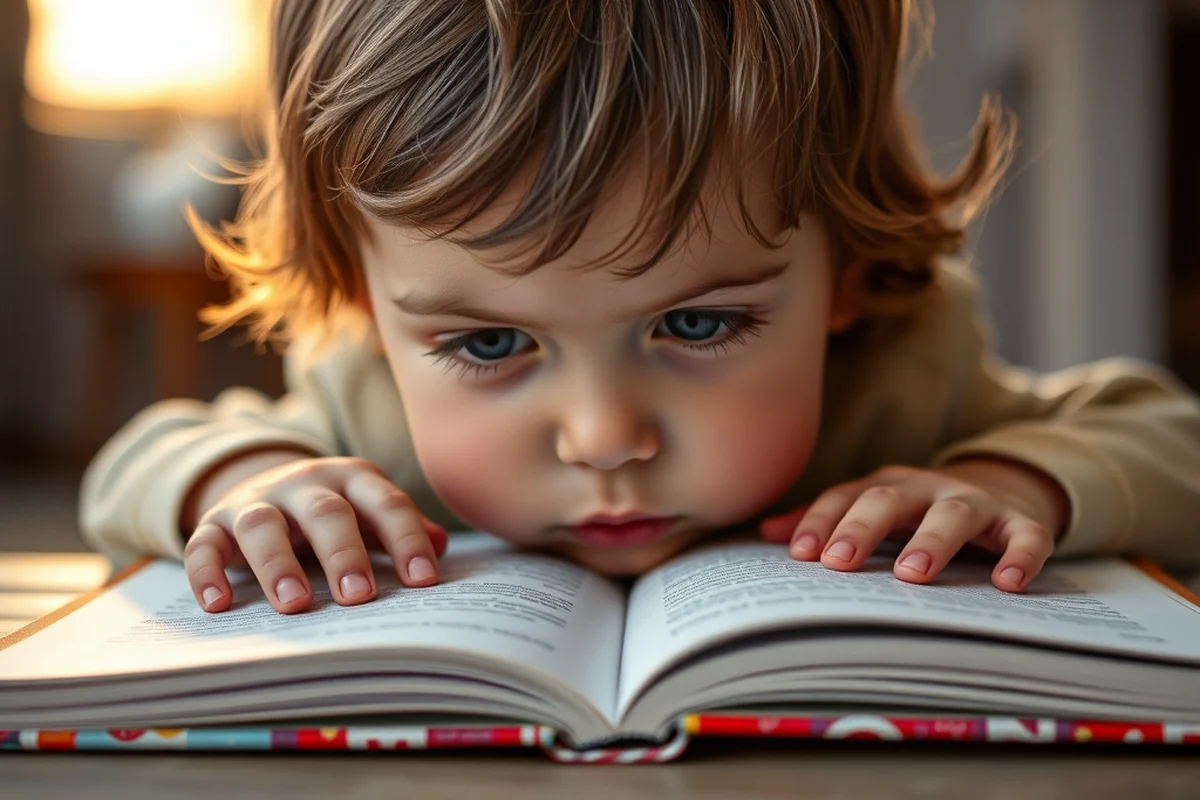
There are several types of bikes that can be suitable for toddlers, and the right choice depends on your child's age and physical development. Balance bikes are ideal for children who are just learning to ride without the help of training wheels. These bikes help develop balance and coordination, which are essential skills for future riding. Training wheels are another option, but they can sometimes give a false sense of security and delay the development of true balance. In my experience, balance bikes were far more effective for teaching my daughter how to ride.
Tricycles are another option for younger children who are not yet ready for a two-wheeled bike. These bikes are more stable and can be used by children as young as 18 months. However, they require more effort to push and may not be as engaging for older toddlers. I found that while my daughter enjoyed her tricycle at first, she quickly outgrew it and was ready for a balance bike by the time she turned two.
It's also important to consider the type of tires on the bike. For toddlers, bikes with wider tires provide better stability and are less likely to tip over. I purchased a balance bike with wide tires, and it made a noticeable difference in how confident my daughter felt while riding.
The right bike can make all the difference in your child's confidence and independence.
Related: Choosing a care home
Related: At What Age Should My Toddler Know Colors
Related: How To Choose A Good Watermelon
Related: Choosing a wand in hogwarts legacy
Considering Size and Fit
One of the most important factors in choosing a toddler bike is ensuring that it fits your child properly. A bike that is too large or too small can be uncomfortable, unsafe, and even discourage your child from riding. I learned this the hard way when I bought a balance bike that was slightly too big for my daughter. It felt awkward for her, and she struggled to keep her balance, which made her less confident and less eager to ride.
To ensure a proper fit, the seat height should be such that your child's feet can touch the ground while they are sitting on the seat. This allows them to push off the ground and move forward without tipping over. The handlebars should be at a height that allows your child to hold them comfortably without stretching or hunching over. I made sure to measure my daughter's height and compare it to the bike's specifications before making a purchase, and it made a huge difference in her comfort and safety.
Another thing to consider is the frame size. A bike that is too large for your child can be difficult to control, while a bike that is too small can be uncomfortable and may not provide enough space for your child to move their legs. I found that purchasing a bike that was specifically designed for toddlers in the 2-3 year age range was the best decision I could have made.
Take accurate measurements of your child’s height, arm span, and leg length to ensure the bike fits perfectly.
“When my daughter turned two and began begging to ride her first bike, I found myself staring at a wall of options in the toy…”— Choosing a Toddler High Chair editors
Materials and Safety Features
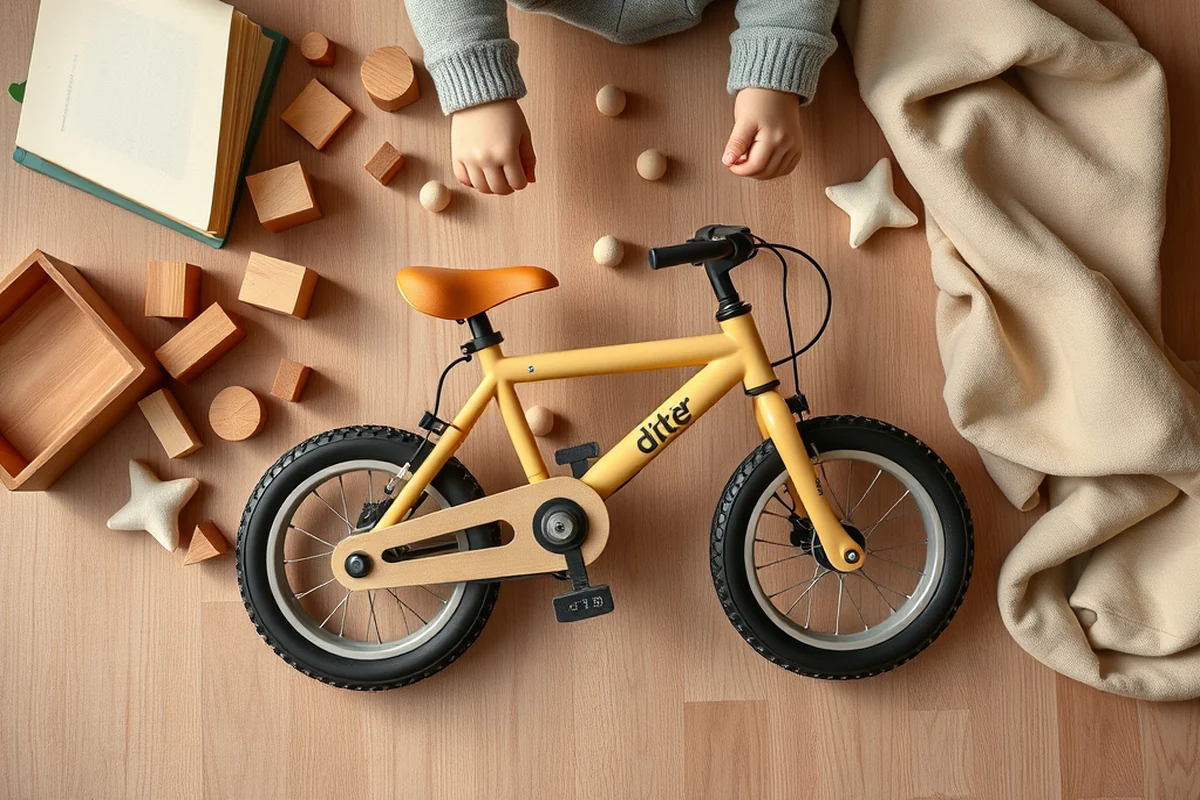
When choosing a toddler bike, the materials used in its construction are just as important as its size and type. Bikes made from lightweight, durable materials such as aluminum or high-quality plastic are generally the best choice for young riders. These materials are not only safer in case of a fall, but they also make the bike easier for your child to handle. I found that my daughter’s balance bike was made from a high-quality plastic that was both lightweight and durable, which made it perfect for her.
In addition to materials, safety features such as reflectors, bright colors, and sturdy wheels are important. Reflectors and bright colors can help ensure that your child is visible to others, especially during low-light conditions. Sturdy wheels are important for stability and can help prevent accidents. I made sure to look for a bike with reflectors and bright colors, and it made me feel more confident about letting my daughter ride on the sidewalk.
Another important safety feature to consider is the presence of a rear brake. While not all balance bikes come with brakes, many do, and they can be useful for teaching your child how to stop safely. My daughter’s bike had a simple rear brake that she could use to stop when needed, and it gave her a sense of control and confidence as she learned to ride.
Choosing the Right Brand and Price Point
When choosing a toddler bike, it's important to consider the brand and price point. While it's tempting to go for the cheapest option, investing in a quality bike can make a big difference in your child's experience. I found that higher-quality bikes are generally more durable, safer, and more comfortable for young riders. However, it's also important to find a balance between quality and affordability, as not all families have the same budget.
I did some research on different brands and found that several companies specialize in toddler bikes. Some of the most popular brands include Strider, Hape, and Kidcycle. These brands are known for producing high-quality bikes that are both safe and durable. However, I also found that some lesser-known brands offered similar quality at a lower price point, which was a good option for families on a budget.
When choosing a bike, it's also important to consider the warranty and customer support offered by the brand. Some brands offer extended warranties or customer support, which can be helpful if your child's bike ever needs repairs or adjustments. I made sure to look for a brand that offered a good warranty and customer support, and it gave me peace of mind knowing that I had a reliable product.
Testing the Bike Before Buying
If possible, it's a good idea to test the bike before purchasing it, especially if you're buying it from an online retailer. Many local stores and toy stores allow you to test bikes before making a purchase, which can help you determine if the bike is the right fit for your child. I found that testing the bike was one of the most important steps in the process, as it allowed me to see how my daughter would react to the bike and whether it was comfortable for her.
When testing the bike, pay attention to your child's comfort and confidence. Does the bike feel too big or too small? Is your child able to sit comfortably on the seat and reach the handlebars? Does the bike feel stable and easy to control? These are all important factors to consider. I found that my daughter was very comfortable on the balance bike I tested, and she was eager to ride it right away.
If you're buying the bike online, look for reviews that mention the comfort and fit of the bike. Ask other parents for their recommendations and see what they liked or disliked about the bike. I found that reading reviews and asking for recommendations was incredibly helpful in making the right choice for my daughter.
Testing the bike before buying can make all the difference in your child's experience.
Setting Up the Bike for Success
Once you've chosen the right bike, the next step is to set it up properly. This includes adjusting the seat height, checking the brakes, and ensuring that the tires are properly inflated. I found that properly adjusting the seat height was one of the most important steps in the process. If the seat is too high or too low, it can affect your child's balance and make it harder for them to ride.
It's also important to check the brakes and make sure they are working properly. If the brakes are not working, it can be a safety hazard for your child. I made sure to test the brakes on my daughter's bike before letting her ride, and it gave me peace of mind knowing that she could stop safely if needed.
Another thing to consider is the location where your child will be riding. If you're planning to ride on sidewalks or in a park, make sure the surface is smooth and free of obstacles. I found that riding on smooth, flat surfaces was much easier for my daughter and made her feel more confident while riding.
🚴 Gentle Approach
Ideal for parents who want to take their time and ensure a smooth transition to riding.
🚀 Fast-Track Method
Great for families who want to get their child riding quickly and confidently.
🧳 Travel/away-from-home
Perfect for parents who need a bike that’s easy to transport and set up on the go.
👶 Multiples Approach
A good fit for families with more than one child who need bikes that are developmentally appropriate for each.
🔄 Regression Reset
Helps parents who are dealing with a child who is struggling with confidence or balance and needs a reset.
| The mistake | Why it happens | The fix |
|---|---|---|
| Choosing a bike that is too large for your child | A bike that is too large can be uncomfortable, unsafe, and may discourage your child from riding. | Measure your child's height and compare it to the bike's specifications before making a purchase. |
| Ignoring the type of bike that is appropriate for your child's developmental stage | Choosing the wrong type of bike can lead to frustration and a lack of progress in your child's riding skills. | Assess your child's developmental readiness and choose a bike that matches their abilities and interests. |
| Not testing the bike before purchasing | Not testing the bike can lead to buying a bike that is uncomfortable or not suitable for your child. | If possible, test the bike before purchasing it to ensure it meets your child's needs and preferences. |
| Choosing a bike with poor safety features | A bike with poor safety features can be dangerous for your child and may lead to accidents. | Look for bikes with safety features such as reflectors, bright colors, and sturdy wheels to ensure your child's safety. |
How To Choose A Toddler Bike
Common Questions
What is the best age to start using a balance bike?
Can training wheels be used with a balance bike?
How do I know if a bike is the right size for my child?
Are balance bikes more expensive than training wheels bikes?
References
- MICROMOBILITY GUIDE - NJ.gov (nj.gov)
Cite this guide
Choosing a Toddler High Chair (2026). How To Choose A Toddler Bike. https://chairsage.com/how-to-choose-a-toddler-bike/
Feel free to cite or share this guide.