
At What Age Should My Toddler Know Colors
📖 Table of Contents
- What Is Color Recognition and Why Does It Matter?
- The Average Age for Color Recognition — What Does the Research Say?
- How to Support Color Recognition at Home — Practical Tips
- What to Do If Your Toddler Is Struggling with Colors
- When to Seek Help — Signs That Color Recognition Might Need Extra Support
- Make It Your Way
- Frequently Asked Questions
The first time my toddler pointed at the red balloon and said, 'Red!' I nearly dropped the baby monitor. It was one of those moments that made me realize how fast they learn — and how much we parents can do to help them along. Toddlers are like sponges, soaking up everything around them, and knowing colors is one of those milestones that feels both magical and essential. But at what age should my toddler know colors? I asked myself that question when I saw my daughter staring at her blocks, trying to name the blue one but getting it wrong. I wanted to know if I was waiting too long or rushing her.
As a parent, I've learned that development isn't a race, but knowing when to support your child's learning can make all the difference. I remember sitting with my daughter on the floor, sorting her toys by color, and watching her eyes light up when she correctly identified the green one. It was a small victory, but it told me that she was developing the skills she needed. Knowing colors isn't just about recognition — it's about building a foundation for language, memory, and even early math skills. And while some kids may pick up on colors quicker than others, there are ways to encourage and support their learning without pressure or frustration.
I once read that the average toddler can identify around 10 to 12 colors by the age of two, but I wanted to know what that meant in real life. Was it about being able to name them, or just recognizing them in the environment? I started experimenting with flashcards, songs, and even color-themed playdates, and I saw how her confidence grew with each small success. At what age should my toddler know colors? I've come to understand that it's less about an exact timeline and more about creating a rich, engaging environment that invites learning. The answer, I've found, lies in the way we interact with our children and the tools we use to make learning fun.[1]
Why You'll Love This Approach to Color Recognition
- Encourages language development through meaningful interaction
- Supports early cognitive skills with engaging, hands-on activities
- Builds confidence in your child as they achieve small milestones
- Creates a foundation for future learning in math and literacy
What Is Color Recognition and Why Does It Matter?
As of August 2026, Color recognition is more than just saying 'blue' when you see a blue car — it's about understanding that blue is blue, regardless of the object. It's about making connections between the world around us and the words we use to describe it. This skill helps your toddler build a vocabulary, learn to categorize objects, and develop the ability to follow instructions. I've seen how recognizing colors helps my daughter learn to sort and match, which are the building blocks for problem-solving later on.
When your toddler starts identifying colors, it's a sign that their brain is developing the ability to process visual information and match it with words. Studies show that by the age of 2, most children can name at least 10 colors, but it's not about being right — it's about being exposed to them in meaningful ways. I've found that using color in play, like sorting blocks or matching cards, helps reinforce the learning without making it feel like a task.[2]
The key is to make it fun and natural. I've noticed that when I use colors in everyday moments — like pointing out the green grass or the yellow sun — my daughter is more likely to pick them up than when I try to teach them in a structured way. So, while I might not know exactly at what age my toddler should know colors, I know that the right environment and approach can help them learn at their own pace.
Point out colors in your surroundings — a red fire truck, a green tree, a yellow banana — and ask your toddler to name them. It's a simple way to reinforce learning in a natural setting.
The Average Age for Color Recognition — What Does the Research Say?
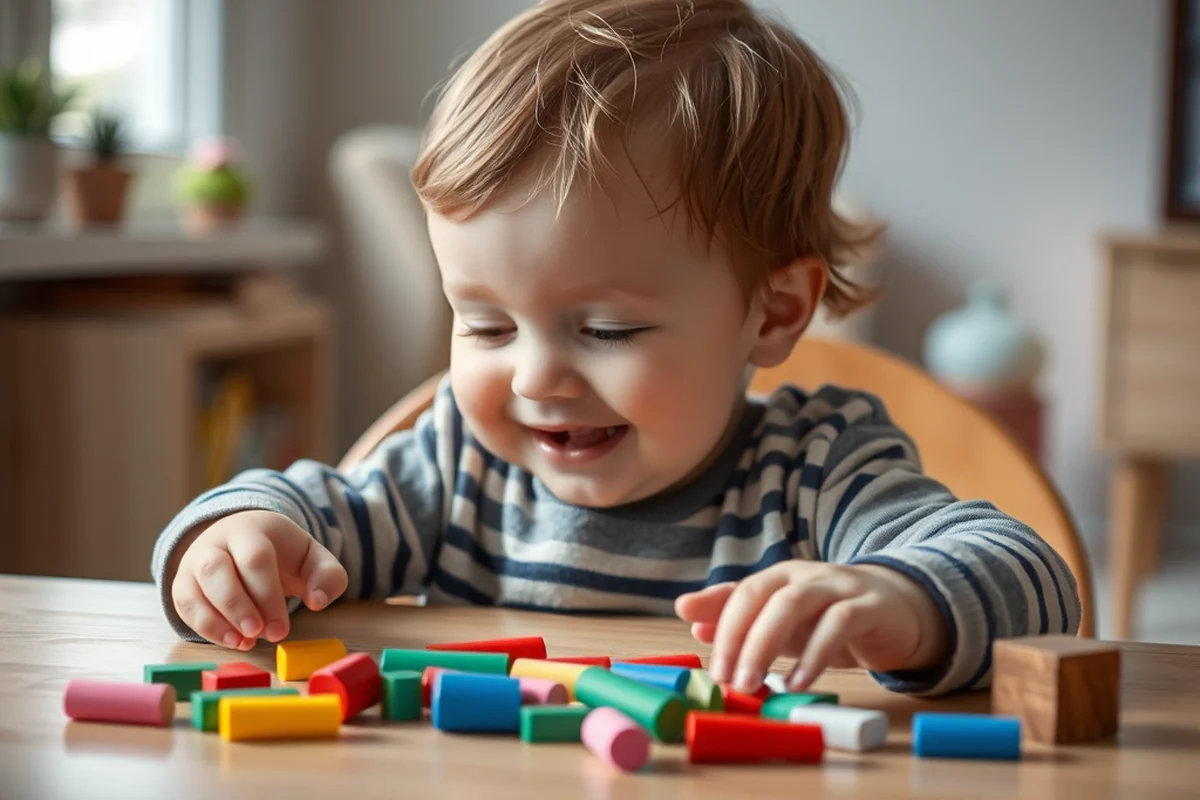
I remember reading a study that said most toddlers can recognize at least 10 colors by the age of 2, but I wanted to know if that was accurate in real life. I saw my daughter struggling with colors when she was 18 months old, but by the time she turned two, she could name a few. There's no one-size-fits-all approach, and I've learned that some kids pick it up faster than others. It's not about rushing — it's about being present and engaging in the learning process.[3]
The research says that by 18 months, most toddlers can recognize basic colors like red, blue, and yellow, but naming them accurately often comes later. I've noticed that when I use color in play, like with puzzles or matching games, my daughter is more likely to remember them. The key is to be patient and consistent, even if she doesn't get it right the first time.[4]
While I used to stress about when she would learn colors, I now understand that development is a spectrum. Some kids may know all their colors by 2, while others may take a bit longer. The most important thing is to keep the experience positive and engaging. I've found that when I make learning a game rather than a lesson, my daughter is more eager to participate.
Development isn't a race — it's about creating the right environment for learning.
Related: Picking up a toddler by the arms
How to Support Color Recognition at Home — Practical Tips
I've learned that the best way to help my toddler recognize colors is to make them a part of everyday life. Whether it's sorting laundry by color, playing with color-matching toys, or using books with bright, bold colors, I've found that repetition and engagement are key. I remember a time when I tried to teach her colors through flashcards, and she would get frustrated. But when I started using color in play, like with building blocks or puzzles, she began to pick it up much more easily.
Another thing I've noticed is that using songs and rhymes can help reinforce color names. I often sing a simple song that goes 'Red, red, red — this is red!' while pointing to red objects around the house. It's a fun way for her to learn without feeling like she's being tested. I've also started using color-themed playdates, where we all sit around and name the colors of our toys — it's a great social and learning experience for her.
I've realized that being consistent and patient is the most important thing. I used to worry that she wasn't learning fast enough, but now I know that each child develops at their own pace. The best way to support her is to make learning a joyful, interactive experience — and that's something I've come to understand through trial and error.
Singing simple color-themed songs with your toddler can help them remember color names. It's a fun and interactive way to reinforce learning in a natural, playful setting.
“The first time my toddler pointed at the red balloon and said, 'Red!' I nearly dropped the baby monitor.”— Choosing a Toddler High Chair editors
What to Do If Your Toddler Is Struggling with Colors
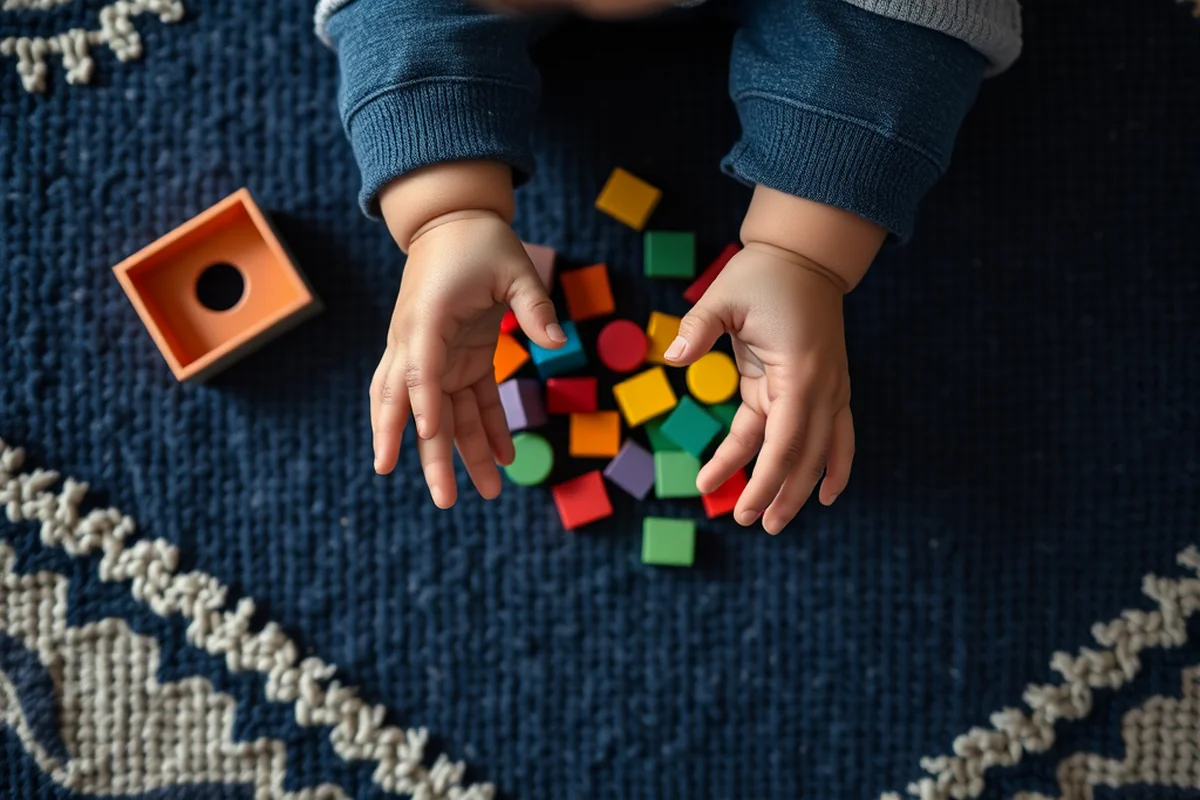
I used to feel worried when my daughter struggled to name colors, but I've since realized that it's a common challenge for many toddlers. I remember a time when I tried to use flashcards and she would get frustrated. It was a wake-up call that I needed to change my approach. I've since learned that some kids need more hands-on, interactive experiences to learn colors, rather than just being shown them on paper.
One of the most effective changes I made was incorporating colors into daily activities. Instead of using flashcards, I started pointing out colors in our environment — the green grass, the yellow sun, the blue sky. I also began using color-themed books and toys that encourage interaction, like matching games and puzzles. It was a big shift, but it made a noticeable difference in her ability to recognize and name colors.
I've also learned that it's important to be patient and not push too hard. Every child learns at their own pace, and forcing it can lead to frustration. The key is to create a positive, engaging environment where learning feels natural and fun. I've come to understand that if your toddler is struggling, it's not a sign of failure — it's just a signal that you may need to adjust your approach.
When to Seek Help — Signs That Color Recognition Might Need Extra Support
I used to worry that my daughter wasn't learning colors as quickly as others, but I've learned that it's not always a cause for concern. Most toddlers will pick up on colors by the age of 3, and if they're not showing interest or making progress, it's worth talking to a professional. I've heard from other parents that some kids have delays in color recognition due to vision issues or developmental differences, so it's important to be aware of the signs.
If your toddler is not showing any interest in colors — like not pointing them out, not recognizing them when you name them, or not being able to match them — it may be worth discussing with a doctor. I've read that in some cases, children with autism or other developmental disorders may have delays in color recognition, so it's something to be mindful of. I've also learned that early intervention can make a big difference if there are underlying issues.
I've come to understand that it's better to be proactive rather than wait and see. If you're concerned about your toddler's color recognition, don't hesitate to seek help. It's not about being alarmist — it's about ensuring that your child has the support they need to thrive. In my own experience, early attention helped my daughter catch up and feel more confident in her abilities.
🌿 Gentle Approach
This method focuses on creating a relaxed, low-pressure environment where color recognition is introduced through play and natural interactions.
🚀 Fast-Track Method
Ideal for parents who want to accelerate their toddler's color recognition skills through structured learning, flashcards, and consistent repetition.
✈️ Travel/ Away-from-Home Strategy
Learn how to keep your toddler engaged with colors even when you're on the go, using portable tools and real-world interactions.
👶 Multiples Approach
Tips for parents of twins or multiples on how to support color recognition in multiple children at the same time without feeling overwhelmed.
🔄 Regression Reset
What to do if your toddler suddenly stops recognizing colors — how to encourage them again and support their development.
| The mistake | Why it happens | The fix |
|---|---|---|
| Forcing your toddler to learn colors too quickly. | This can lead to frustration and a lack of interest in learning. Toddlers need time and space to explore and learn at their own pace. | Use gentle, interactive methods and make learning a fun, engaging experience rather than a structured task. |
| Not incorporating colors into everyday life. | Without real-world exposure, your toddler may struggle to connect colors with their names. Learning should be natural and integrated into daily routines. | Point out colors in your surroundings and use them in play, meals, and activities to reinforce learning. |
| Using only flashcards or structured learning methods. | Flashcards can be effective, but they may not be engaging for all toddlers. A variety of methods is more likely to keep your child interested and motivated. | Combine flashcards with hands-on activities, songs, and real-world interactions to create a more well-rounded learning experience. |
| Not being patient with your toddler's progress. | Toddlers develop at their own pace, and rushing them can lead to frustration and a negative experience with learning. | Celebrate small successes and be consistent in your support. Learning should be a joyful, ongoing process. |
At What Age Should My Toddler Know Colors
Common Questions
What if my toddler doesn't show interest in colors?
Can I speed up my toddler's color recognition?
What should I do if my toddler is behind in color recognition?
How can I make learning colors fun for my toddler?
References
- Infant Toddler Developmental Red Flags - Michigan Courts (courts.michigan.gov)
- Child Development Toys by Age: Choosing the Best Toys for Your ... (hss.edu)
- A Guide for Families - Connecticut Office of Early Childhood (medicine.yale.edu)
- Oklahoma Early Learning Guidelines for Infants, Toddlers and Twos (oklahoma.gov)
Cite this guide
Choosing a Toddler High Chair (2026). At What Age Should My Toddler Know Colors. https://chairsage.com/at-what-age-should-my-toddler-know-colors/
Feel free to cite or share this guide.