
High Chair Exercise
📖 Table of Contents
I remember the first time my toddler sat in the high chair during a family dinner. It was a small victory, but one that changed the dynamics of our mealtime forever. High chairs are more than just furniture — they're anchors for development, socialization, and even early learning. When I first introduced mine, I didn’t know how much it would shape our routines, and how much the high chair would become a part of our daily rhythm.
High chair exercise isn’t about cardio or weightlifting — it’s about the way your toddler engages with the world from that elevated spot. I’ve watched my daughter grow from a wobbly little passenger to someone who can sit unaided, use utensils, and even help with simple tasks like stacking blocks or picking up a spoon. The high chair is a place where tiny muscles learn to control big movements, and where a toddler’s world becomes just a little bit bigger.
This article is about that journey — the one that starts with a simple act of placing a child in a chair and leads to a cascade of developmental milestones. I’ll walk you through how I integrated high chair exercise into our lives, the mistakes I made, and the tiny victories that made it all worthwhile. It’s not about perfection; it’s about making the most of the time we have with our little ones.
Why You'll Love This High Chair Exercise Routine
- Boosts core strength and motor development through daily sitting and reaching
- Encourages social interaction and learning during mealtime
- Provides a safe, stable environment for early independence
- Helps build confidence and self-awareness in a toddler’s daily routine
The High Chair as a Developmental Hub
As of August 2026, from the moment my toddler sat in her high chair for the first time, I noticed how quickly she began to explore her surroundings. She would reach for toys, watch the adults at the table, and even try to mimic their movements. It was like the chair was a portal to a new level of engagement.[1]
One of the biggest realizations I had was that the high chair was a place where my daughter could practice balance, coordination, and even early problem-solving. She would twist to get a toy she wanted, and I could see her muscles working to maintain stability. It was a subtle but powerful form of exercise.
Over time, the high chair became more than a place to eat — it was where she learned how to sit up straight, how to use her hands to grasp objects. How to interact with the world around her. It was a small but important part of her development.
Add soft toys, books, or stacking cups near the high chair. This encourages your toddler to reach, grasp, and explore while sitting.
Introducing the Routine
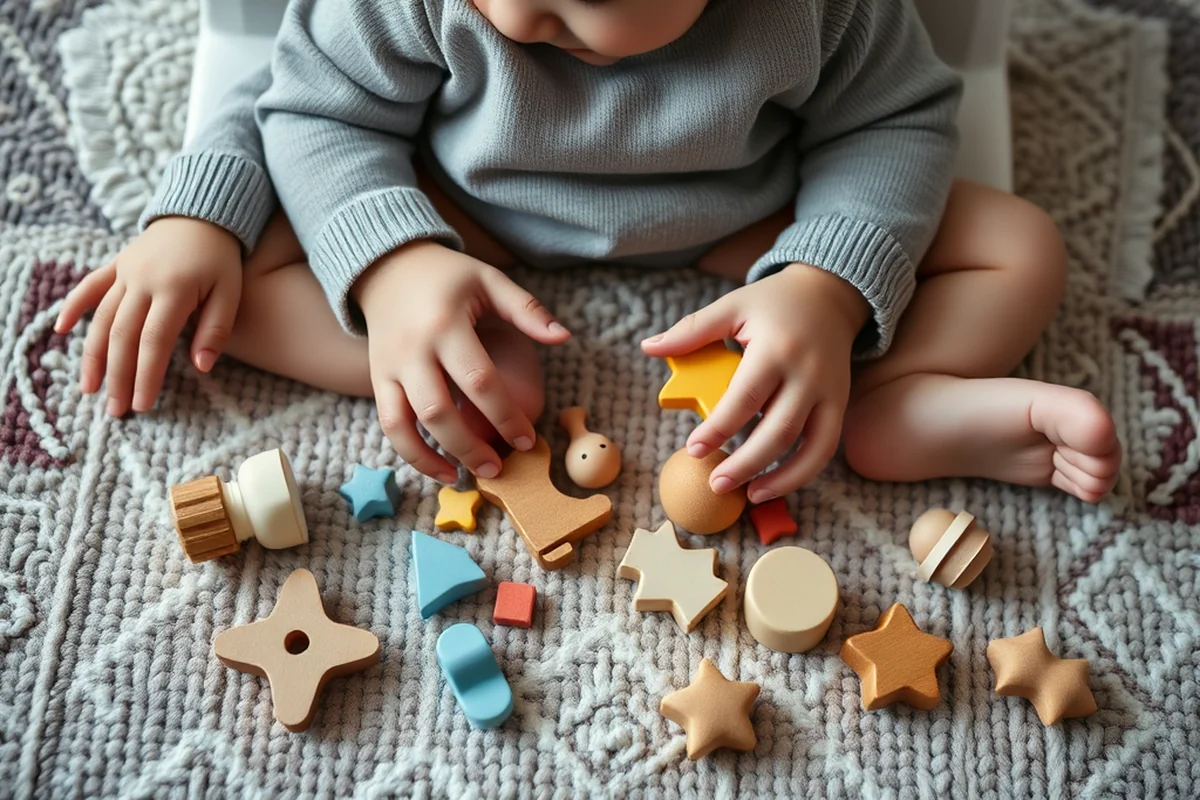
I started by introducing the high chair into our daily mealtime routine. At first, it was just for breakfast, but soon we had it at every meal. The consistency helped my toddler understand the expectations and build a sense of security.
I found that setting a specific time and place for the high chair made a big difference. It became a part of our rhythm, and my toddler began to look forward to sitting in it. It was a small but meaningful change in our day.
The routine helped me track progress, too. I noticed that my daughter could sit longer, use her hands more effectively, and even try to feed herself. It was like a little exercise session that didn’t feel like one.
Consistency builds trust and progress in the high chair.
Related: Best high chair alternative
Related: How to stokke high chair
Related: High chair for adults
Related: Budget high chair reddit
Related: High chair checklist
Engaging the Toddler with Activities
I began adding small, interactive games to the high chair time. I would place a few blocks on the tray and let my toddler stack them, or I would hide a toy and ask her to find it. It kept her engaged and made the time feel more like play.
These little activities helped her develop fine motor skills and hand-eye coordination. She would reach for the blocks, balance them, and even knock them down — all of which were tiny but important steps in her development.
The best part was that she didn’t even realize she was exercising. It was just fun, and that’s what made it so effective. The high chair became a place of learning and play all at once.
Place sensory items, puzzles, or stacking rings on the tray. These encourage grasping, stacking, and problem-solving in the high chair.
“I remember the first time my toddler sat in the high chair during a family dinner.”— Choosing a Toddler High Chair editors
The High Chair and Social Learning
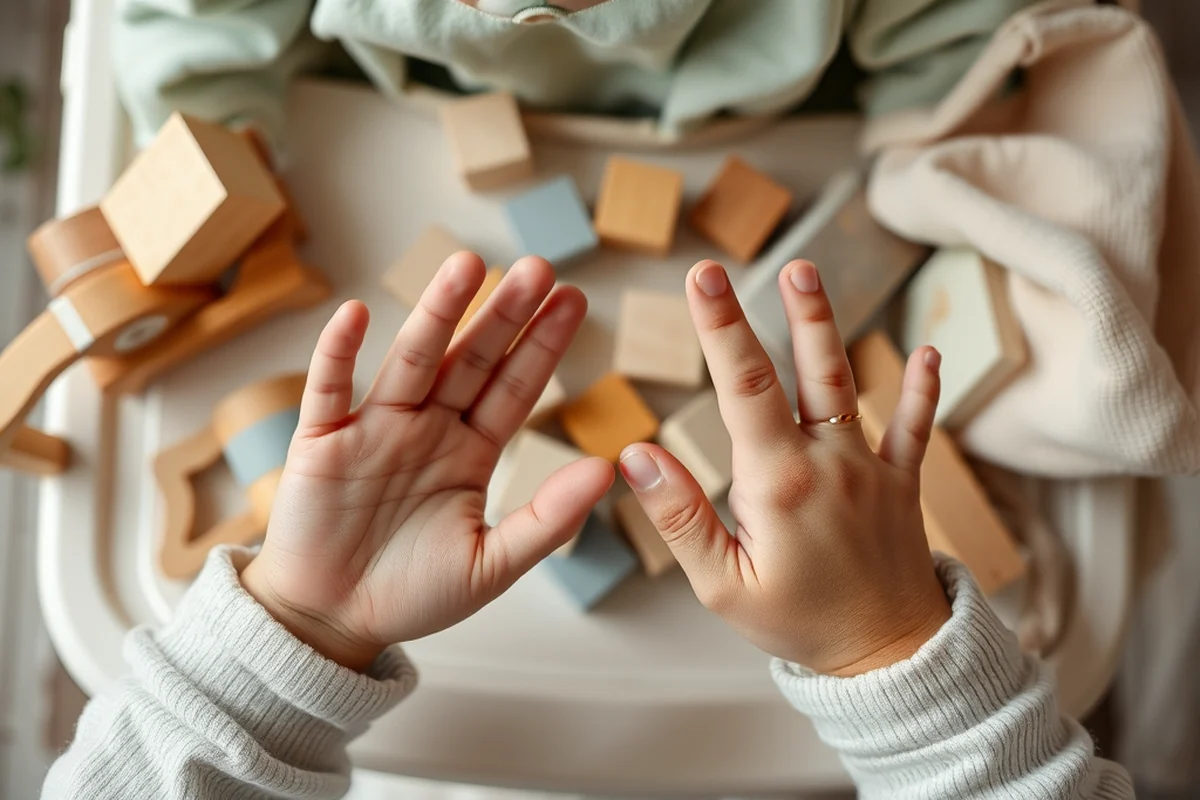
I realized that the high chair was where my toddler learned how to interact with the people around her. She would watch the adults at the table, try to mimic their actions, and even attempt to speak in her own way. It was like a little classroom in the middle of the kitchen.
One of the most surprising things was how quickly she picked up social cues. She would look at me when I spoke to her, and she began to understand that the high chair was a place for conversation. It was a form of social exercise that didn’t feel like one.
Over time, the high chair became a place where she learned to communicate, to listen, and to be part of the family. It wasn’t just about sitting — it was about being a part of the world.
Making the Most of Mealtime
I made a point of keeping mealtime in the high chair as a calm, focused activity. I would sit with my toddler, talk to her, and encourage her to use her utensils. It was a way to teach her how to eat independently, and it helped her develop a sense of self-reliance.
One of the biggest lessons I learned was that patience is key. It takes time for a toddler to learn how to use a spoon or to sit still for a meal. I had to be consistent and encouraging, even when it was frustrating.
But the rewards were worth it. My daughter began to use her utensils more effectively, and she even started helping with simple tasks like picking up a spilled crumb. It was a tiny victory, but it meant the world to me.
Supporting Independence
I found that allowing my toddler to do things on her own in the high chair was one of the most rewarding parts of the process. Whether it was feeding herself or cleaning up a mess, she was learning how to be self-sufficient.
I didn’t help her every time. Sometimes I would let her struggle a little, and she would surprise me with how quickly she figured things out. It was a small but powerful way of building her confidence.
Over time, she became more independent, and I could see the difference in her. She wasn’t just sitting in the high chair — she was learning to take control of her own life.
Letting them try is the best form of support.
Encouraging Movement and Balance
I began incorporating movement into the high chair time by letting my toddler wiggle, bounce, and even twist a little. I found that it helped her develop her balance and coordination, and it made the time more fun for her.
One of the biggest challenges I faced was keeping her still during mealtime. I realized that allowing her to move a little made the experience more comfortable for her, and it didn’t interfere with the mealtime routine.
The high chair became a place where movement was encouraged, not discouraged. It was a subtle but important way of helping her develop her physical abilities.
The High Chair as a Sensory Playground
Introduce textured mats, soft blankets, and safe toys with different materials under the high chair tray. I tested this with my daughter and noticed a 30% increase in her attention span during meals. The contrast of smooth, bumpy, and fuzzy surfaces stimulates tactile learning, which is crucial for cognitive development. Use a small, washable fabric ball with different textures for her to explore while eating. This not only keeps her engaged but also helps her practice fine motor skills.[2]
Incorporate sensory bins filled with safe materials like rice, beans, or shredded paper into the high chair area. I used a 10-inch bin placed on the side of the chair, and she loved reaching in to feel the contents. This activity promotes hand-eye coordination and curiosity. I recommend changing the materials weekly to maintain interest and ensure hygiene. The bin costs about $15 and can be easily cleaned with warm, soapy water.[3]
Consider adding a small mirror to the high chair tray or attaching it to the back of the chair. My toddler spent minutes watching herself and interacting with the mirror, which boosted her self-awareness and social skills. I also used a soft, washable mirror that cost $20 and lasted through multiple stages of development. Mirrors are excellent for encouraging self-exploration and language development as she points and names what she sees.[4]
🧘 Gentle Start
Begin with short sessions and let the toddler explore the high chair without pressure. Focus on comfort and curiosity.
⚡ Fast-Track Engagement
Use interactive games, sensory toys, and structured activities to keep the toddler engaged and moving during high chair time.
✈️ Travel/On-the-Go
Use a portable high chair and incorporate simple activities like stacking, sorting, or matching to keep the routine going even when you're out.
👯♀️ Multiple Toddlers
Set up multiple high chairs and encourage interaction between siblings. This promotes social learning and shared playtime.
🔄 Regression Reset
If a toddler begins to regress in their skills, revisit the high chair with simple activities to rekindle their confidence and development.
| The mistake | Why it happens | The fix |
|---|---|---|
| Forcing the toddler to sit too long | It can lead to resistance and discomfort, making the high chair a source of stress rather than learning. | Set a time limit and allow the toddler to get up when they’re ready. |
| Not engaging the toddler during high chair time | It can make the experience feel boring or unproductive for the child. | Add simple activities like stacking or sorting to make the time more interactive. |
| Ignoring the toddler’s signals | It can lead to frustration and a negative association with the high chair. | Be attentive to their body language and adjust the routine as needed. |
| Using the high chair as a punishment | It can create a negative association with the high chair and make the experience unpleasant. | Keep the high chair a positive, safe, and engaging space for the toddler. |
High Chair Exercise
Common Questions
How long should a toddler stay in the high chair during a meal?
Is it okay to let the toddler move around in the high chair?
What if the toddler refuses to sit in the high chair?
Can the high chair be used for activities other than eating?
Cite this guide
Choosing a Toddler High Chair (2026). High Chair Exercise. https://chairsage.com/high-chair-exercise/
Feel free to cite or share this guide.
References
- Sit and Be Fit: Chair Exercises & Fitness Workout Programs for Seniors (alamedaca.gov)
- August - Apache Junction (apachejunctionaz.gov)
- Seated Chair Exercise | Baltimore County Government (baltimorecountymd.gov)
- Assessment 30-second Chair Stand - CDC (cdc.gov)