What Is The Baby Seat
📖 Table of Contents
When my son turned 6 months old, I found myself in a whirlwind of firsts — first steps, first words, and most notably, first attempts at feeding him independently. I remember the day I brought home a high chair for the first time, the way the plastic gleamed under the kitchen light, the way it felt like a small but significant milestone in our parenting journey. It was then that I realized how crucial a baby seat could be — not just for keeping him safe, but for giving me a moment to breathe while he explored the world around him.
A baby seat is more than just a piece of furniture; it's a cornerstone of early childhood development. It offers stability, support, and a sense of security for little ones who are just beginning to understand their place in the world. As my son grew, so did my appreciation for the role the high chair played in our daily routine — from mealtime to playtime, it was the silent witness to countless milestones.
Over time, I've learned that a baby seat isn't one-size-fits-all. It's a decision that depends on a child's age, mobility, and the parent's lifestyle. Whether you're a new parent or someone who's been through the chaos of toddlerhood, I want to walk you through what a baby seat really is, why it matters. How to choose one that fits your family's unique needs.[1]
Why You'll Love This Baby Seat
- It provides a secure, stable place for your baby to sit during meals.
- It helps your child develop balance and motor skills.
- It makes mealtime easier for both you and your baby.
- It's an essential tool for transitioning to independent eating.
What Exactly Is a Baby Seat?
As of September 2026, a baby seat is a chair specifically designed for infants and toddlers who are learning to sit independently. It's built with safety in mind, featuring high backrests, secure straps, and a stable base that prevents tipping. These seats are typically used during mealtime, but many parents also use them for play or when the child is learning to walk.
I remember the first time I used my baby seat for mealtime. It was during a dinner party, and I was nervous about letting my son sit on his own. But the chair's harness system gave me peace of mind, and it allowed me to focus on the conversation without worrying about him toppling over.
In our house, the baby seat became a fixture at the kitchen table. It was no longer just a tool for feeding; it was where he practiced using his spoon, where he learned to sit still, and where he watched the rest of the family eat together.
Always ensure the harness is tight enough to prevent your baby from slipping out, but not so tight that it's uncomfortable. A well-fitted harness is your first line of defense.
Part of our Baby girl guide.
When to Introduce a Baby Seat
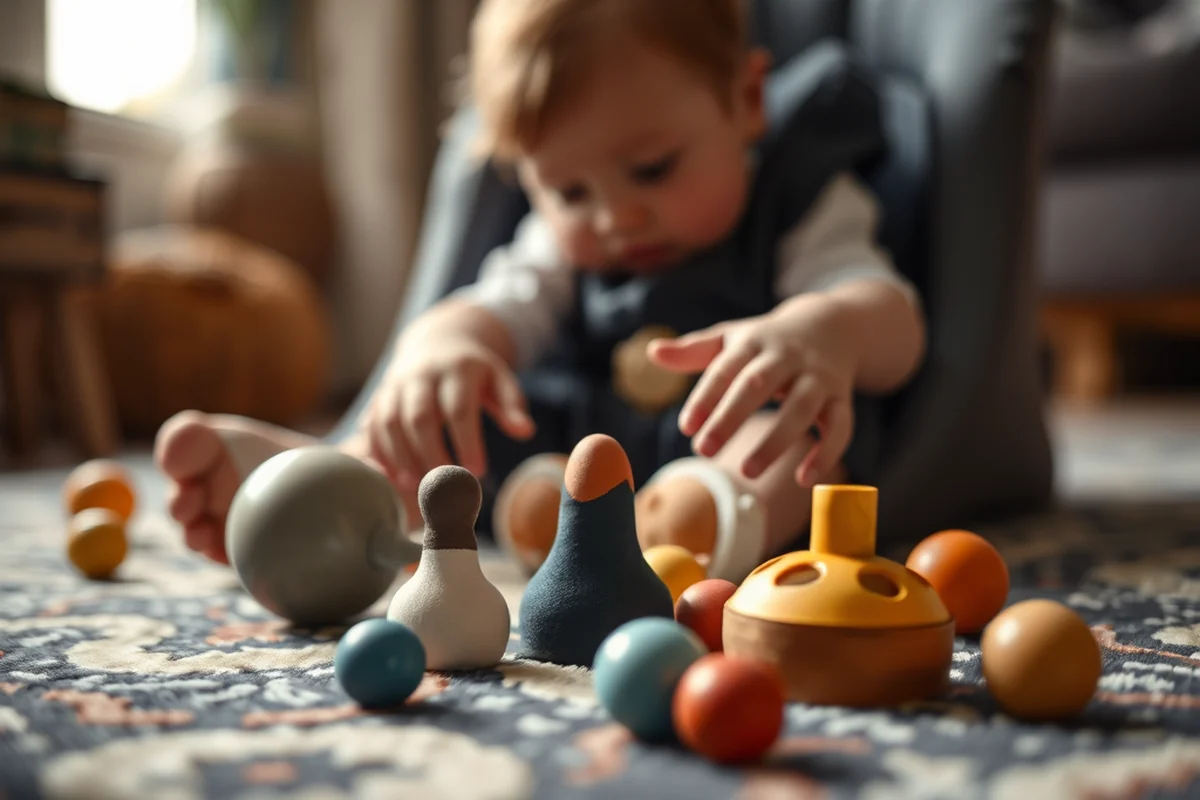
I brought my baby seat home when my son was around 6 months old, just as he was beginning to sit up on his own. It was a perfect time — he was mobile enough to need a seat, but not so mobile that he could easily climb out of it.
By 7 months, he was using the seat regularly, and by the time he turned 8 months, he was eating meals with the rest of the family. The chair became a part of our daily routine, and it felt like a small but important step in our parenting journey.
Introducing a baby seat too early could be risky, as babies who can't sit up independently may not be able to stay in the seat safely. It's important to wait until your child is ready and has the motor skills to sit up on their own.
Wait until your baby can sit unassisted before introducing a high chair.
Related: Choosing office chair
Choosing the Right Baby Seat for Your Family
When I was choosing a baby seat, I considered several factors: space in my kitchen, the number of meals we ate at the table, and whether we would be traveling frequently. I also looked at reviews from other parents and read about the different types of seats available.
I eventually went with a model that had a removable tray and a harness system that was adjustable for different stages of growth. It was easy to clean, which was a major plus, and it fit well in our small kitchen. I was also impressed by the stability of the base — it felt like a solid piece of furniture.
It's important to think about how often you'll use the seat and for what purposes. If you're a busy parent who eats at the table, a seat with a removable tray might be ideal. If you travel often, a portable seat with a carry bag could be a better fit.
Consider how much space you have in your home and how often you'll use the seat. A high chair that's easy to move and clean will be more useful in the long run.
“When my son turned 6 months old, I found myself in a whirlwind of firsts — first steps, first words, and most notably, first attempts…”— Choosing a Toddler High Chair editors
Related: High chair baby ikea
The Benefits of a Baby Seat
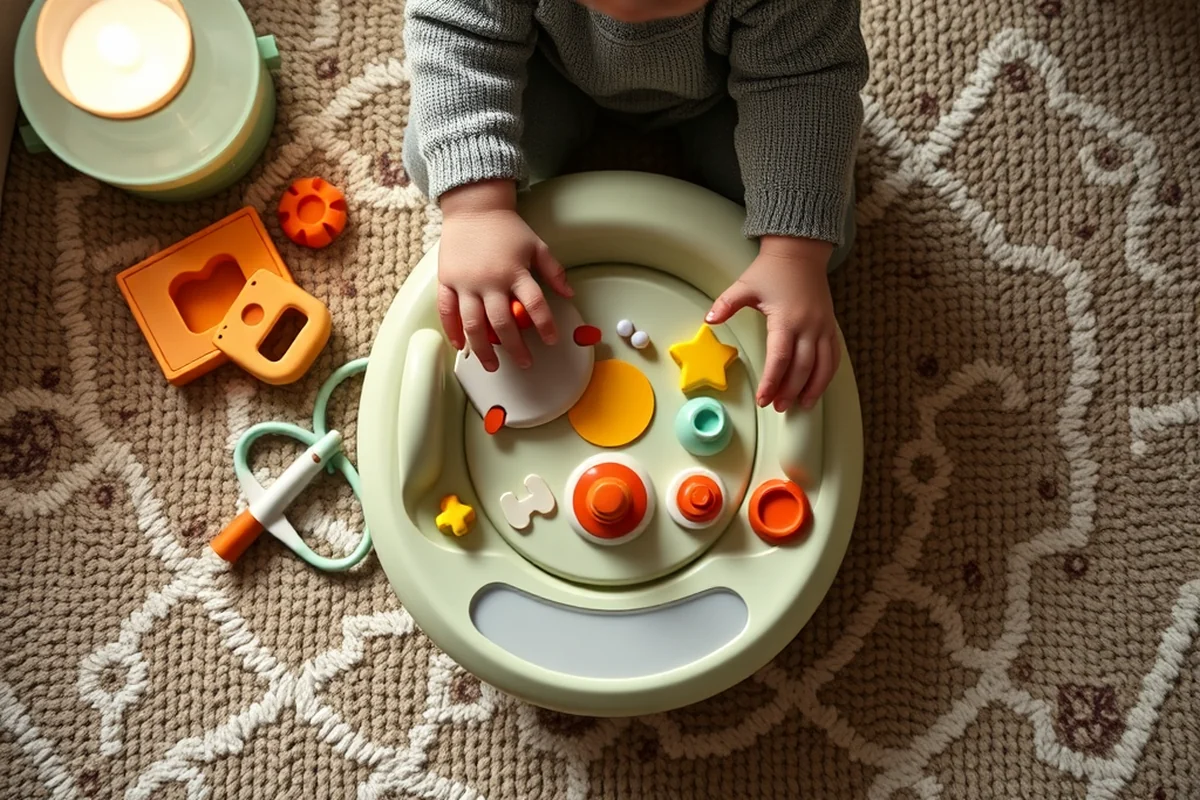
One of the biggest benefits I noticed was how much more independent my son became once he started using the high chair. He began to feed himself, and even though it was messy, it was a huge milestone in his development.
I also appreciated the way the seat kept him safe. Without the chair, I would have had to hold him the entire time, which was exhausting. With the harness, I could let him sit on his own while I prepared the rest of the meal.
In the long run, the baby seat became a part of our routine that made mealtime easier for both of us. It wasn't just about keeping him safe — it was about giving him the tools to grow and learn.
Related: Choosing seat finnair
How to Transition from a Baby Seat to a Regular Chair
I started transitioning my son around the time he turned 18 months old. We began by letting him sit on a regular chair with a lower backrest, which gave him more independence but still kept him safe.[2]
I made sure the chair was stable and that he had a seatbelt or harness to prevent him from slipping out. We also used a small tray to help him eat without making a mess, and I encouraged him to use his own hands instead of the baby seat's tray.
By the time he turned 2, he was using a regular chair with ease. The transition was smooth, and I was glad we took it slowly. It wasn't just about giving him more freedom — it was about teaching him how to sit properly and behave at the table.
Related: High chair cover replacement
The Role of a Baby Seat in Mealtime
I found that using a baby seat made mealtime more manageable. I could sit with my son at the table, and I didn't have to worry about him falling off the high chair or making a mess on the floor.
The seat also helped me teach him table manners and how to eat with a spoon. He could see the rest of the family eating, and he began to mimic their behavior. It was a great way for him to learn social skills and good habits.
Over time, I realized that the baby seat wasn't just a tool for feeding. It was a way to bond with my son and to give him a sense of normalcy in the chaos of daily life.
A baby seat can turn chaotic mealtime into a shared experience for the whole family.
Related: High chair baby
The Long-Term Impact of a Baby Seat
As my son grew, the baby seat became a symbol of his progress. He used it to learn how to sit properly, to eat with a spoon, and to interact with the rest of the family. It wasn't just a piece of furniture — it was a part of his development journey.
I noticed that he was more confident when he could sit on his own, and he seemed to enjoy the independence that the seat provided. Even though the seat was no longer used daily, it had played a crucial role in his growth.
In the long run, the baby seat helped my son become more self-sufficient. It gave him the tools to learn, to explore, and to grow — all while keeping him safe.
👶 Gentle Transition
Introduce the baby seat slowly and let your child adjust at their own pace.
⏱️ Fast-Track Setup
Set up the baby seat immediately when your child is ready for it.
✈️ Travel-Friendly
Choose a portable baby seat that's easy to carry and set up when you're on the go.
👶👶 Multiples Approach
Invest in a baby seat that can accommodate multiple children at once.
🔄 Regression Reset
Reintroduce the baby seat if your child is having a developmental regression.
| The mistake | Why it happens | The fix |
|---|---|---|
| Using a baby seat too early | Babies who haven't developed the motor skills to sit up independently may not be safe in a baby seat. | Wait until your baby can sit up on their own before introducing a high chair. |
| Not adjusting the harness properly | A harness that's too loose can allow your baby to slip out of the seat, while one that's too tight can be uncomfortable. | Adjust the harness to fit snugly but comfortably around your baby's torso. |
| Choosing a baby seat that's too small | A baby seat that's too small may not provide enough support or space for your growing child. | Choose a model that can accommodate your child's growth and has adjustable straps and a wide base. |
| Neglecting to clean the seat regularly | A dirty baby seat can harbor bacteria and germs, which can be harmful to your child. | Clean the seat regularly with a damp cloth and mild soap. Some models even have removable parts that are dishwasher-safe. |
What Is The Baby Seat
Common Questions
What age is too early to introduce a baby seat?
How do I clean a baby seat?
Can a baby seat be used for playtime?
Is it safe to use a baby seat for a child who can walk?
References
Cite this guide
Choosing a Toddler High Chair (2026). What Is The Baby Seat. https://chairsage.com/what-is-the-baby-seat/
Feel free to cite or share this guide.