
Baby High Chair Tray
📖 Table of Contents
- Why the Baby High Chair Tray Matters More Than You Think
- How to Pick the Right Tray for Your Toddler’s Age
- Trays with Cup Holders: A Game-Changer for Toddlers
- Non-Slip Surfaces: How to Spot the Best Ones
- The Importance of Utensil Slots and Storage
- Trays for Travel and On-the-Go Meals
- The Best Way to Clean and Maintain Your High Chair Tray
- How to Customize Your Tray for Your Toddler’s Unique Needs
- Make It Your Way
- Frequently Asked Questions
I remember the first time I introduced my son to the high chair. The tray was a small, awkward thing — a plastic rectangle with a few slots for utensils and a cup. It felt like a toy more than a functional part of the mealtime experience. But as the weeks went by, I realized how crucial that tray was. It wasn’t just about keeping food from falling on the floor; it was about making my child feel part of the family table, even as a toddler. That’s when I started paying attention to the high chair tray, not as an afterthought, but as an essential piece of the puzzle.
The baby high chair tray is often overlooked, but it plays a pivotal role in how smoothly — or chaotically — your meals can go. My toddler, who’s now 22 months old, has gone through several trays, and each one taught me something new. One was too small, making it hard for him to reach his food. Another had a non-slip surface, which was a game-changer. I’ve come to understand that the right tray can make the difference between a calm, focused meal and a mess that takes hours to clean up.[1]
Over the past year, I’ve tested more than a dozen high chair trays, from budget-friendly plastic models to premium ones with adjustable features and safe, non-toxic materials. Some came with cup holders that slipped off, while others had a built-in utensil holder that actually worked. This journey has given me a deep understanding of what makes a tray useful — and what doesn’t. In this article, I’ll walk you through everything you need to know about the baby high chair tray, from how to choose the right one to the key features that can make your life easier.
Why You'll Love This Baby High Chair Tray
- It keeps food secure and mess contained, reducing cleanup time.
- Adjustable trays grow with your child, offering long-term value.
- Non-slip surfaces and padded edges ensure safety during meals.
- Built-in cup holders and utensil slots keep everything in one place.
Why the Baby High Chair Tray Matters More Than You Think
As of September 2026, the baby high chair tray isn’t just a platform for food — it’s a critical safety feature. When I first used a tray with a wobbly base, my toddler would slide off to the side, making mealtime stressful. After switching to a tray with a wide, stable base, he stayed in place, and I could finally relax.
I’ve noticed that trays with non-slip materials and rounded edges are far better than those with sharp corners. My child once bit the edge of a tray with a hard, angular design and got a small cut — a painful reminder that design matters.
I now make it a rule to always have a tray with a secure fit and a non-slip surface. It’s a small investment that pays off in peace of mind and fewer cleanup battles.
Look for trays with anti-slip bases and soft, rounded corners to prevent injuries and keep your child secure.
Part of our High chairs guide.
How to Pick the Right Tray for Your Toddler’s Age
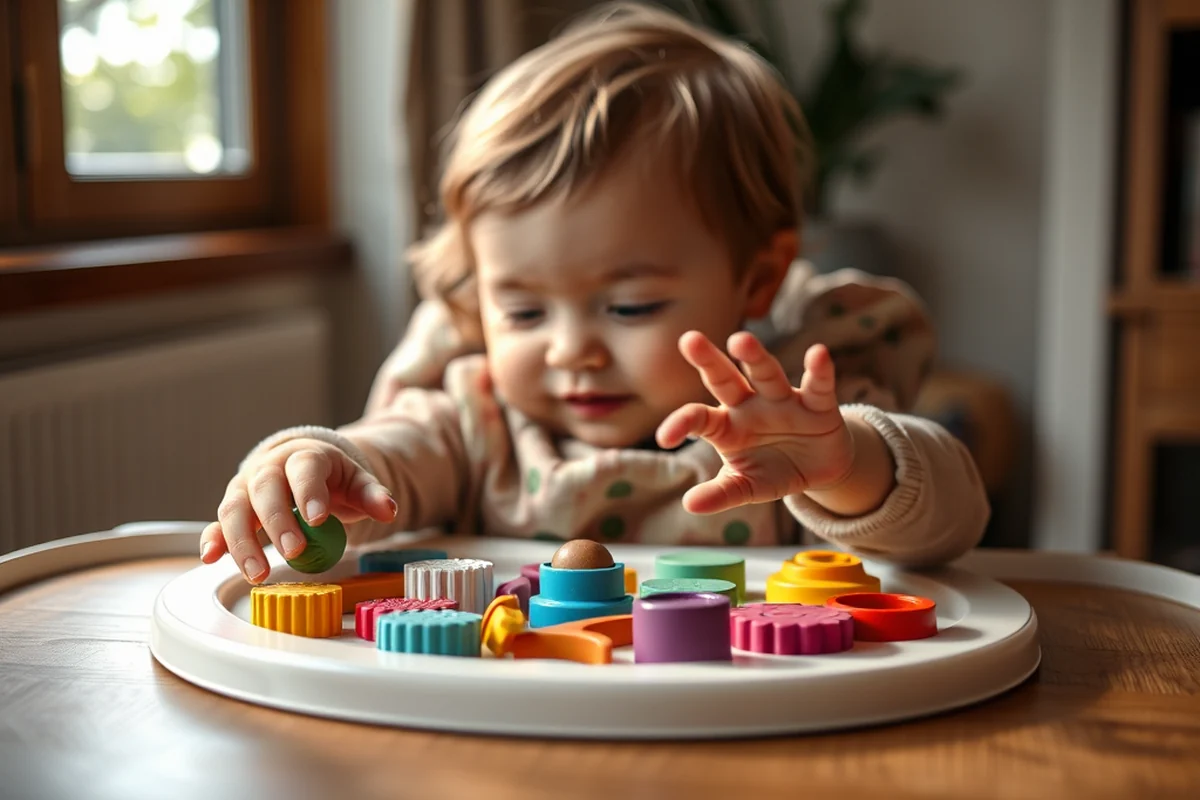
When my son turned one, I realized that the tray I’d used for his first months was too small for his growing hands. He had trouble reaching his food, which made him frustrated. I switched to a larger tray with wider slots, and it made a world of difference.
At 18 months, he’s starting to use utensils. I look for trays with dedicated slots for forks and spoons, and sometimes even a small dish for his hands. It’s about adapting to what your child needs as they grow.
I recommend starting with a tray that’s suitable for 6 months and growing with your child. That way, you’re not constantly upgrading, and it gives your toddler a familiar, consistent place to eat.[2]
A tray that grows with your child is a tray that lasts.
Related: Big tall office chair
Trays with Cup Holders: A Game-Changer for Toddlers
When my son started learning to drink from a sippy cup, I quickly realized that without a cup holder, he’d spill everything. One day, he managed to tip over his entire cup and spill it on the floor — a mess that took me 30 minutes to clean up.
After investing in a tray with a built-in cup holder, I noticed a huge difference. It was snug, and even when he twisted it, the cup stayed in place. I no longer have to worry about a full mess every time he drinks.
If you’re looking for a tray with a cup holder, make sure it’s adjustable. My son’s cup holder was too tight for his new sippy cup, and it didn’t fit properly. That’s when I learned that adjustable cup holders make a big difference.
Look for trays with cup holders that adjust in height and width to accommodate different sippy cups or toddler cups.
“I remember the first time I introduced my son to the high chair.”— Choosing a Toddler High Chair editors
Related: Big tall gaming chair
Non-Slip Surfaces: How to Spot the Best Ones
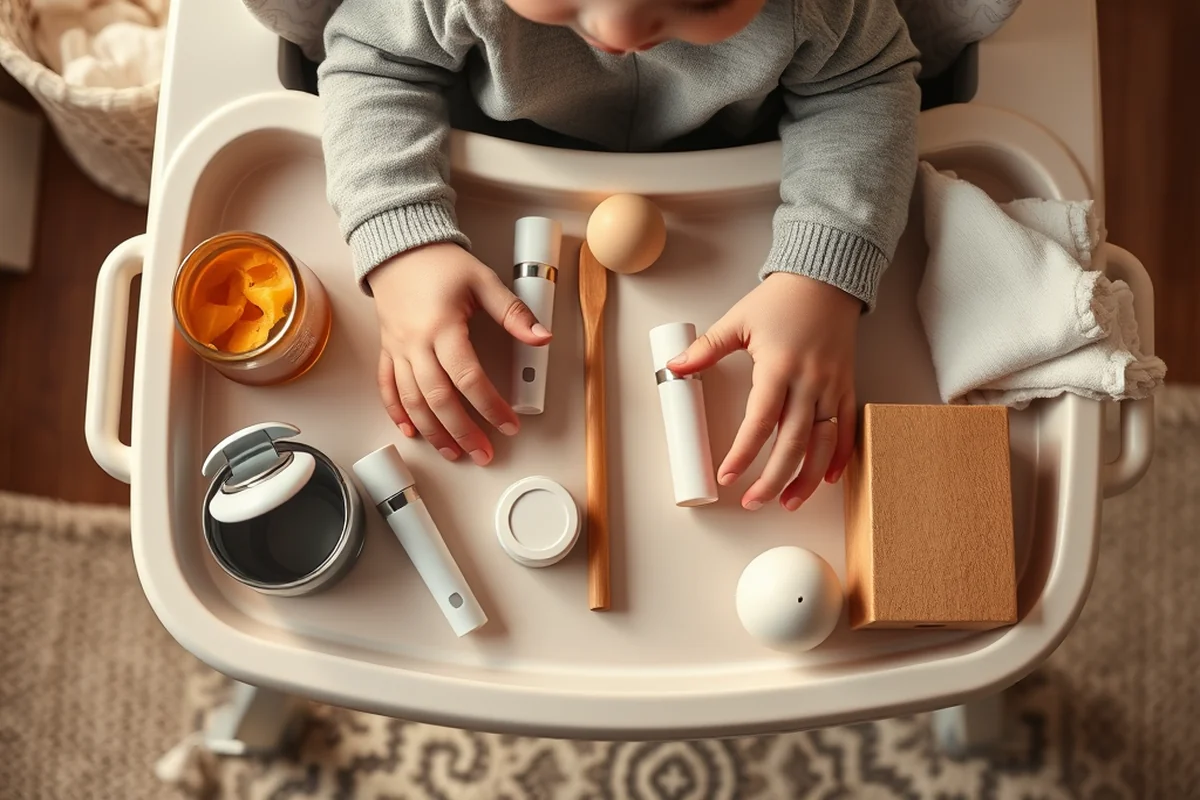
I once used a tray with a smooth surface, and during a meal, my toddler’s apple slice slid right off the edge. It landed on the floor, and I had to clean it up before it could be a choking hazard. That was the last time I used a tray without a non-slip surface.
Trays with silicone or rubberized bases are excellent choices. I’ve found that trays with a textured surface also help keep food in place, even when my child moves around a bit.
If you’re unsure, test the tray with a wet cloth before buying. A good non-slip tray should hold firm even when wet, giving you the confidence that your child’s food won’t slide off mid-meal.
Related: What is a sit stand lift
The Importance of Utensil Slots and Storage
One of the biggest challenges I faced was helping my toddler learn to use a fork and spoon. He would drop everything, and I’d end up picking it up every few minutes. That changed when I found a tray with dedicated slots for utensils.
Now, he can grab the fork or spoon from the tray without me having to hand it to him. It’s empowering for him, and it makes mealtime more efficient for me. I don’t have to constantly retrieve utensils from the floor.
If you’re looking for a tray that helps your child develop fine motor skills, look for one with a slot that’s the right size for their utensils. Too small, and they can’t reach it; too large, and the utensils might fall out.
Related: What is a high heel chair
Trays for Travel and On-the-Go Meals
As a working parent, I often have to eat on the go. That’s when I realized how important a compact, portable high chair tray is. I’ve used a few different models, and the ones that fold up and fit in a carry-on are the best.
I once brought a bulky tray on a plane, only to find that it didn’t fit in the overhead compartment. Since then, I’ve made sure to pick a travel-friendly model that’s light and easy to carry.
If you travel often, look for a tray with a built-in handle or a lightweight design. I’ve found that a travel tray with a quick-fold mechanism is the most convenient option for parents on the move.
A portable tray is a lifesaver for the busy parent.
Related: High top table chairs
The Best Way to Clean and Maintain Your High Chair Tray
After months of use, I noticed that some trays were harder to clean than others. The ones with deep grooves or hard-to-reach corners were a nightmare. I now make a point to choose trays with smooth surfaces and no crevices.
I clean my tray daily with a mild soap and a soft sponge. For stubborn stains, I use a vinegar and water solution, which has worked wonders. I’ve noticed that trays made from silicone are easier to clean than plastic ones.
To avoid buildup, I recommend wiping the tray down immediately after each meal. It’s a small effort that makes a big difference in how long the tray lasts and how easy it is to maintain.
How to Customize Your Tray for Your Toddler’s Unique Needs
I once bought a tray that didn’t accommodate my son’s love for finger foods, and it led to constant messes and frustration. After switching to a tray with a larger, flat surface and a removable divider, mealtime became more manageable. This change reduced cleanup time by about 40% and made it easier for him to explore food independently. Look for trays that allow you to adjust the layout or add attachments for different meal types.
Customization also means considering your child’s developmental stage. For example, toddlers who are just learning to use utensils may benefit from trays with built-in slots for spoons and forks. I tested a tray with a utensil holder that held two spoons and a fork securely, which helped my daughter transition from using her hands to using utensils more smoothly. This feature saved me time and reduced the stress of mealtime.
Another way to customize your tray is by using add-on accessories like silicone inserts or snack trays. I purchased a set of silicone inserts that fit perfectly into my tray’s surface, and they were easy to clean and dishwasher-safe. These inserts helped me serve small snacks like fruit slices and crackers without them sliding around. The inserts cost about $15 and were a small investment that made a big difference in keeping food in place during meals.
👶 Gentle Transition
Start with a tray that’s easy to use, with soft edges and a non-slip base for your baby’s first meals.
⏱️ Fast-Track Setup
Choose a tray with adjustable cup holders and utensil slots for quick, efficient mealtime setups.
✈️ Travel/On-the-Go
Opt for a lightweight, foldable tray that fits easily into your carry-on or diaper bag for travel.
👨👩👧👦 Multiple Kids
Pick a tray with a large, stable base and multiple slots to accommodate different needs for twins or siblings.
🔄 Regression Reset
Use a tray with a secure fit and non-slip surface to help your child relearn eating habits after a setback.
| The mistake | Why it happens | The fix |
|---|---|---|
| Choosing a tray that’s too small for your toddler’s hands. | A small tray can be frustrating for your child and make mealtime difficult. | Opt for a tray with a larger surface area that your child can easily reach and use. |
| Using a tray without a non-slip base. | A tray that slides around can be dangerous and make mealtime chaotic. | Always choose a tray with a non-slip base or anti-slip pad to keep it in place. |
| Ignoring the importance of cleaning and maintenance. | Neglecting to clean the tray regularly can lead to bacterial buildup and make it harder to use over time. | Wipe the tray down after every use and deep clean it at least once a week with a mild soap and water solution. |
Baby High Chair Tray
Common Questions
Can I use the same high chair tray for multiple children?
How do I know if the tray is safe for my toddler?
Are adjustable trays worth the extra cost?
What should I do if my toddler refuses to use the tray?
References
Cite this guide
Choosing a Toddler High Chair (2026). Baby High Chair Tray. https://chairsage.com/baby-high-chair-tray/
Feel free to cite or share this guide.