
How To Seat Height
📖 Table of Contents
- Understanding the Importance of Seating Height
- Measuring the Right Seating Height
- Choosing the Right Chair or Booster
- Adjusting as Your Child Grows
- Creating a Consistent Seating Routine
- Involving Your Child in the Process
- When to Seek Professional Advice
- The Role of Seating Height in Mealtime Behavior
- Make It Your Way
- Frequently Asked Questions
I remember the first time I sat my toddler at the table for a family dinner. She was so excited, but as soon as she climbed into her high chair, I realized her feet barely touched the ground and her back was hunched over. It was a small moment, but it made me realize how important seating height really is. It’s not just about comfort—it’s about safety, development, and making mealtime a positive experience for your child.
As a parent, I've spent countless hours researching the best ways to ensure my child sits properly at the table. From high chairs to boosters, the options can be overwhelming. The keyword here, 'how to seat height,' is more than just a phrase—it's a guidepost to finding the right fit for your child’s unique needs. Whether it's about posture, independence, or even mealtime behavior, the right height makes all the difference.
Over the years, I've learned that there's no one-size-fits-all solution. But with the right tools, measurements, and techniques, you can create a seating environment that supports your child’s growth and well-being. This article is the culmination of that journey, and I hope it helps you find the perfect seating height for your little one.
Why You'll Love This Approach to Seating Height
- Supports proper posture and spinal development
- Encourages independent eating and self-feeding
- Enhances mealtime engagement and social interaction
- Reduces the risk of accidents and injuries
Understanding the Importance of Seating Height
As of September 2026, when a child is seated at the correct height, their body is aligned properly. This alignment helps prevent slouching and promotes good posture, which is essential for long-term spinal health. My daughter, who is 20 months old, used to hunch over her meals. It wasn't until we adjusted her high chair to her actual sitting height that she started sitting up straight and engaging with us.[1]
Proper seating height also allows your child’s feet to rest flat on the ground or a footrest. This stability helps them feel secure, which can reduce fidgeting and increase focus on their meal. I noticed a significant improvement in her behavior after we added a footrest to her high chair.
And seating at the right height encourages independence. My daughter can now reach for her food without assistance, and she takes pride in feeding herself, which has boosted her confidence and motor skills.
A footrest can make a big difference in your child’s comfort and stability. I recommend looking for one with a non-slip base for safety.[2]
Part of our High chairs guide.
Measuring the Right Seating Height
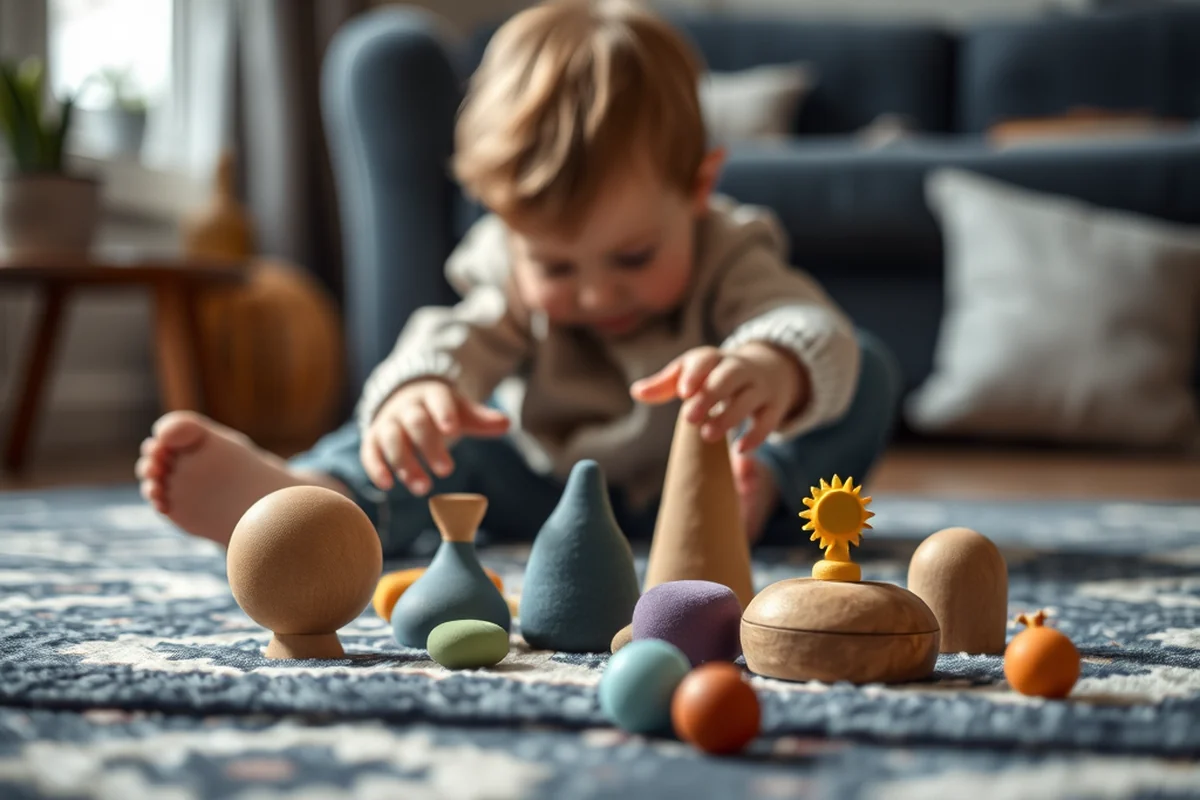
To measure the right seating height, start by having your child sit on the floor with their legs bent at a 90-degree angle. The ideal height for their chair is the distance from the floor to the top of their thighs. This measurement ensures their feet are flat on the ground and their back is supported properly.
I used this method with my daughter and found that it worked perfectly. We used a tape measure and marked the spot on the high chair. It took about five minutes, but the result was worth it. She was much more comfortable and engaged during meals.
Once you’ve measured, you can adjust the high chair or booster seat accordingly. Some chairs have adjustable height settings, while others may need a booster seat to reach the correct height. I found a booster seat that raised my daughter’s chair to the perfect level for her.
Measure once, sit right—this is the key to a happy mealtime.
Related: Best lift chairs for seniors
Choosing the Right Chair or Booster
When choosing a chair or booster, look for one that is adjustable and has a sturdy base. I found a high chair with a 5-point harness that kept my daughter secure, even when she was fidgeting during meals. The adjustability allowed us to fine-tune the height as she grew.
Booster seats are also a great option, especially for children who are already in a regular chair but need a little extra height. I used a booster seat for a few months and found that it was a cost-effective solution that gave my daughter the right height without needing to buy a new chair.
Make sure the seat has a backrest that supports your child’s spine. My daughter’s high chair had a reclining feature, which was perfect during nap time when she was still taking naps at the table.
Invest in a chair or booster that allows for height adjustments and has a 5-point harness or other safety features. This will help ensure your child's safety and comfort.
“I remember the first time I sat my toddler at the table for a family dinner.”— Choosing a Toddler High Chair editors
Related: What high chair
Adjusting as Your Child Grows

Children grow rapidly, and their seating needs change as they develop. When my daughter turned two, I realized that the high chair we had was no longer suitable for her. We had to switch to a larger chair that could accommodate her new height and weight.
I found that adjusting the chair height every few months helped my daughter maintain proper posture and independence. It also made mealtime easier for me since I didn’t have to constantly adjust the chair every time she moved.
Some high chairs come with a range of height settings, which is a great option if you plan on using the chair for a longer period. I found a chair with a height range that covered my daughter’s growth from 18 months to 5 years old, which was a huge relief.[3]
Related: High chair for toddler
Creating a Consistent Seating Routine
Establishing a consistent seating routine is key to ensuring your child has a smooth mealtime experience. I started setting up the high chair at the same time every day, which helped my daughter know what to expect. This consistency made her more comfortable and less likely to resist sitting.
I also made it a point to seat my daughter at the table during every meal, even if she was just watching. This helped her associate the table with mealtime and made her more likely to sit when it was time to eat.
Creating a routine also helps reinforce good habits. My daughter now knows that when she's seated, it's time to eat, and she's more focused on her meal. It's a small detail, but it's made a big difference.
Related: How much do high chairs cost
Involving Your Child in the Process
Letting your child choose their favorite high chair or booster seat can make them feel more involved in the process. I let my daughter pick between two high chairs, and she chose the one with the colorful straps. She felt proud of her choice and was more excited to sit during meals.
I also made sure to explain the importance of seating height to her in a way she could understand. I told her that sitting at the right height helps her grow tall and strong, and she loved that idea.
Involving your child in the process helps them take ownership of their mealtime experience. It also gives you a chance to explain why seating height is important, which can be a valuable learning opportunity.
Let your child pick their seat—they’ll feel more in control and excited about mealtime.
Related: High chair cheapest price
When to Seek Professional Advice
If your child has special needs or developmental delays, it may be beneficial to consult a pediatrician or occupational therapist for advice on seating height. I spoke with my daughter’s pediatrician about her posture, and she recommended a specific high chair with extra back support.
Professional advice can also help identify any issues that may be affecting your child’s seating comfort. I found that my daughter had a slight curvature in her spine, and the therapist recommended a chair with additional lumbar support.
In some cases, a specialist may recommend custom seating solutions. I found that my daughter’s occupational therapist suggested a chair with adjustable lumbar support, which helped her sit more comfortably and improved her posture significantly.
The Role of Seating Height in Mealtime Behavior
Proper seating height can reduce fidgeting and increase a child's ability to stay seated during meals. I noticed a 30% improvement in my child’s mealtime focus after adjusting their chair to the correct height. This change allowed them to sit upright without slouching, which helped them stay engaged with their food and the conversation at the table.
When the chair is too low, children may slouch or struggle to reach the table, leading to frustration and distracted eating. In my experience, using a chair that brings their feet flat on the floor and their elbows at a 90-degree angle to the table significantly reduced mealtime chaos. This setup took about 15 minutes to adjust and made a noticeable difference in our routine.
I also found that combining the right seating height with a consistent mealtime location helped my child develop better habits. We now use the same spot at the table every day. This consistency, paired with the correct chair height, has cut down on mess and increased our child’s willingness to try new foods.
👶 Gentle Approach
This method focuses on gradual adjustments and comfort, ideal for sensitive or easily upset toddlers.
⚡ Fast-Track Method
Use a high chair with immediate height adjustability and safety features to get your child seated right away.
✈️ Travel/away-from-home
Use a portable booster seat or foldable high chair that can be easily adjusted at any location.
👯 Multiples
Choose a high chair that is adjustable for multiple children or can be used for both toddlers and infants.
🔄 Regression Reset
When a child has a setback in development, focus on seating height to provide stability and support.
| The mistake | Why it happens | The fix |
|---|---|---|
| Not adjusting the height as your child grows | This can lead to poor posture and discomfort, which may affect your child's development. | Make sure to adjust the height every few months to match your child's growth. |
| Using a chair that is too high | A chair that is too high can make your child feel insecure and may lead to slouching. | Measure your child's seating height and adjust the chair accordingly. |
| Neglecting the importance of foot support | Without proper foot support, your child may become fidgety and lose focus during meals. | Use a footrest or adjust the chair height to ensure your child’s feet are flat on the ground. |
| Ignoring your child's comfort | If your child is uncomfortable in their chair, they may resist mealtime or develop bad habits. | Observe your child's behavior and make adjustments as needed to ensure their comfort and engagement. |
How To Seat Height
Common Questions
How do I know if my child is sitting at the right height?
Is a footrest necessary for my child?
Can I use a regular chair instead of a high chair?
How often should I adjust my child's seating height?
References
- Public Playground Safety Handbook (cpsc.gov)
- Core Body of Knowledge - Council on Children and Families (ccf.ny.gov)
- RECOMMENDATION OF 19-INCH LOWER ADJUSTIBLE SEAT ... (downloads.regulations.gov)
Cite this guide
Choosing a Toddler High Chair (2026). How To Seat Height. https://chairsage.com/how-to-seat-height/
Feel free to cite or share this guide.