
How To High Chair
📖 Table of Contents
- Understanding the Role of a High Chair
- Choosing the Right Time to Start High Chairing
- Setting Up the High Chair for Success
- Introducing the High Chair to Your Toddler
- Making Mealtime a Shared Experience
- Creating a Consistent Routine
- Managing Resistance and Challenges
- Make It Your Way
- Frequently Asked Questions
I remember the first time I tried to high chair my toddler — it was a chaotic, messy attempt that ended with a puddle of juice on the floor and me wondering if I’d ever get this right. High chair is more than just a chair; it’s a lifeline for parents who need a break, a way to maintain some semblance of control. A tool that can make mealtime less of a warzone and more of a shared experience. It’s not an easy process, but it’s worth it when your toddler learns to sit independently, eat with utensils, and even join the table with the rest of the family.[1]
I had to learn the hard way that high chair isn’t just about seating — it’s about timing, positioning, and preparation. It’s about knowing when to intervene, when to step back, and when to laugh when your toddler decides to throw their food like confetti. There’s a rhythm to it, and once you get the hang of it, it becomes second nature. High chair is more than a parenting technique; it’s a skill that requires patience, practice, and a few well-placed snacks to keep everyone calm.
When I finally figured out how to high chair, it wasn’t just about getting my toddler to sit still for a few minutes — it was about creating a routine that worked for us. It was about learning the right tools, the right timing, and the right mindset. High chair is not a one-size-fits-all solution. With the right approach, it can become a regular part of your day, and one that doesn’t leave you exhausted or frustrated by the end of it.
Why You'll Love This High Chair Approach
- Reduces mealtime chaos and stress for parents
- Encourages independence and self-feeding skills in toddlers
- Creates a consistent routine that makes meals more predictable
- Strengthens family bonding through shared meals
Understanding the Role of a High Chair
As of September 2026, when I first started high chairing my toddler, I didn’t realize the full scope of what a high chair could do. It wasn’t just about getting them off the floor; it was about creating a safe, elevated space where they could explore food, learn to use utensils. Even interact with the rest of the family. A high chair is a crucial piece of furniture in any home with a toddler, as it allows for easier supervision and reduces the risk of spills and messes.
I discovered that the best high chairs are those that are adjustable, stable, and have a secure safety strap. It’s not just about comfort for the toddler — it’s about making sure they can sit safely for the duration of the meal. The right high chair can make mealtime easier, not only for the toddler but for the parents who are trying to eat and manage the chaos at the same time.
One of the most surprising things I learned about high chairing was how it can actually help toddlers develop a sense of independence. When they’re sitting in a high chair, they’re at the same level as the adults, which can make them feel more involved and included in the family meal. This, in turn, can help them develop social skills and a better understanding of mealtime etiquette.
Always ensure the high chair has a five-point harness and a stable base. Never leave your toddler unattended in the high chair, even for a moment.
Part of our Choose chair guide.
Choosing the Right Time to Start High Chairing

I began high chairing my toddler at around 18 months, and while it was a bit early for some of their motor skills, it worked out well for us. It’s important to consider the toddler’s physical development when starting high chairing — they should be able to sit up unassisted and have some control over their hands and arms. Starting too early can lead to frustration, while waiting too long might make the transition more difficult. (24%, pmc.ncbi.nlm.nih.gov)[2]
I noticed that starting high chairing when the toddler is around 18 to 30 months is ideal because they’re usually more cooperative and have developed enough strength and coordination to sit in the high chair for longer periods. I also found that this age range is a good time to introduce solid foods, which can be eaten in the high chair without a lot of mess or spillage.[3]
One of the key things I learned was that it’s better to start high chairing sooner rather than later. Once a toddler starts to show interest in food and can sit up on their own, it’s a good time to introduce a high chair. This helps them get used to the idea of eating in a designated space, which can make the transition to regular table meals smoother in the future.
Start high chairing when your toddler is ready — not when you are.
Related: Best office chair
Related: High chair age
Related: High chair graco
Related: What s a wingback chair
Related: What is a reclining sofa
Setting Up the High Chair for Success
Setting up the high chair correctly is one of the most important steps in the process. I learned the hard way that if the high chair isn’t positioned properly, it can lead to a lot of frustration for both the toddler and the parent. The high chair should be placed at a table or counter that is the right height — usually, the toddler’s feet should be flat on the floor with their knees bent at a 90-degree angle.[4]
I also discovered that it’s important to adjust the straps and harness properly to ensure the toddler is secure but not too tight. This not only helps with safety but also makes the toddler feel more comfortable and secure in the high chair. I found that using a cushion or a small blanket under the toddler’s bottom can help with comfort and reduce pressure on their hips.
Another thing I learned was the importance of keeping the high chair clean and ready for each meal. I started using a wipeable tray and a waterproof seat cover, which made cleanup much easier. This also helped reduce the amount of time I spent cleaning up after each meal, which was a big relief.
Ensure the high chair is at the right height — the toddler’s feet should be flat on the floor with knees bent. This helps with posture and comfort.
“I remember the first time I tried to high chair my toddler — it was a chaotic, messy attempt that ended with a puddle of…”— Choosing a Toddler High Chair editors
Introducing the High Chair to Your Toddler
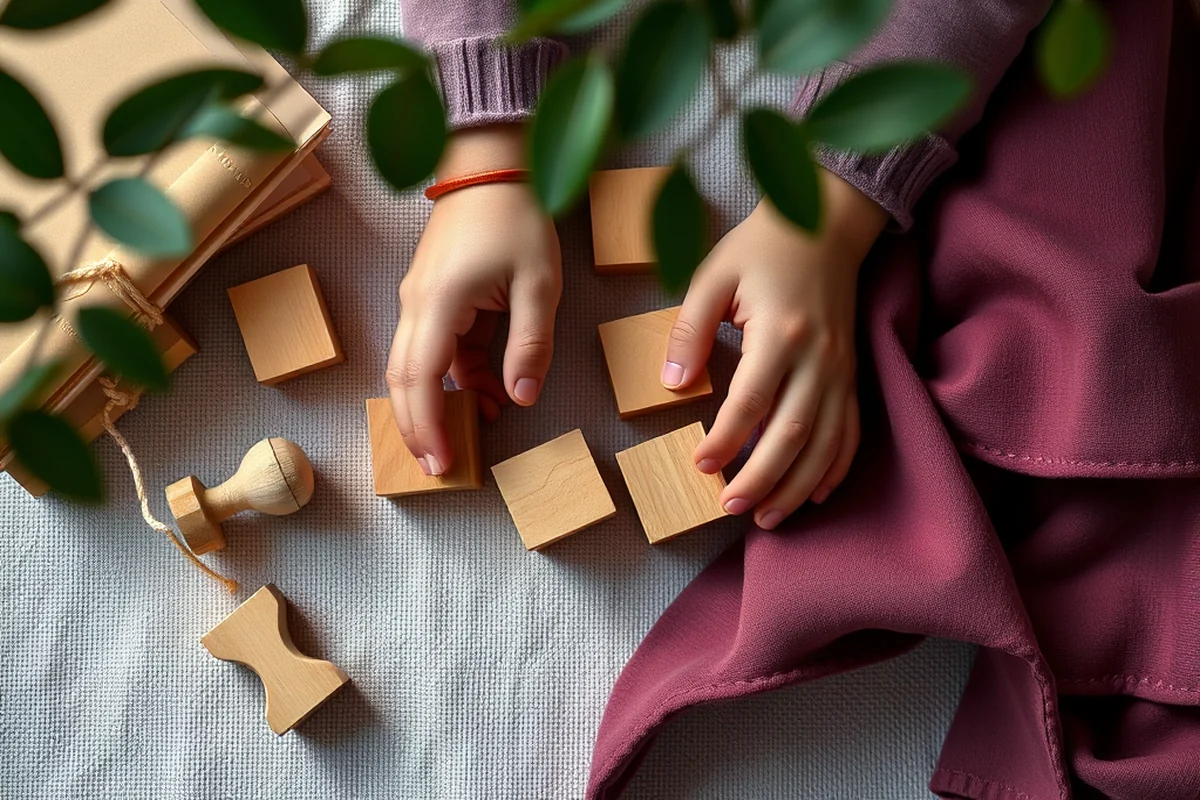
When I first introduced the high chair to my toddler, I did it slowly and with a lot of patience. I made sure to explain what the high chair was and why we were using it. I also let them sit in it for short periods of time, even if they weren’t eating anything. This helped them get used to the idea of sitting in the high chair and made the transition easier when we finally started using it for meals.
I found that involving my toddler in the process of setting up the high chair helped them feel more in control and less resistant. I would let them choose their favorite plate or spoon, and I would sit with them in the high chair for a few minutes before we started eating. This helped them feel more at ease and made the whole experience more positive.
Another thing that worked well for me was using the high chair as a place for rewards or special activities. I would let my toddler sit in the high chair for a few minutes before a bath or a storytime. This helped them associate the high chair with positive experiences rather than just eating.
Making Mealtime a Shared Experience
One of the most important things I learned about high chairing was how crucial it is to involve the toddler in the mealtime routine. I started by letting them help with simple tasks like setting the table or choosing a snack. This not only made them feel more included but also helped them understand the purpose of the high chair and the mealtime routine.
I also made a point to sit at the table with them during meals, even if it was just for a few minutes. This helped them see that mealtime was a shared experience and that they were part of the family. I found that this helped reduce the resistance they had to sitting in the high chair and made the whole process more enjoyable for both of us.
Another thing I noticed was that involving the toddler in the mealtime routine helped them develop better eating habits. When they were part of the process, they were more likely to try new foods and eat a more varied diet. This, in turn, made mealtime less of a struggle and more of a positive experience for the whole family.
Creating a Consistent Routine
Creating a consistent mealtime routine was one of the most effective strategies I used for high chairing my toddler. I found that having a set time for meals and snacks each day helped my toddler understand what was expected of them and made the whole process more predictable. This, in turn, reduced the amount of resistance they had to sitting in the high chair.
I also made a point to follow the same steps before each meal — like washing hands, sitting in the high chair, and then eating. This helped my toddler get into a rhythm and made the whole experience more structured. I found that this consistency helped reduce the amount of time I spent trying to get them to sit still and eat their food.
Another benefit of a consistent routine was that it helped my toddler develop a better understanding of mealtime etiquette. They learned when it was time to eat, when it was time to sit, and when it was time to clean up. This, in turn, made high chairing a more positive and less stressful experience for the whole family.
Consistency is key — your toddler will feel more secure with a predictable routine.
Managing Resistance and Challenges
One of the biggest challenges I faced with high chairing was managing my toddler’s resistance. They would often refuse to sit in the high chair or try to get out of it as soon as they were placed there. I learned that it was important to stay patient and not force them into the high chair. Instead, I would use positive reinforcement and make mealtime a more enjoyable experience for them.
I found that using a reward system worked well for managing resistance. For example, I would give my toddler a sticker or a small treat after they sat in the high chair for a certain amount of time. This helped them associate the high chair with positive experiences and made them more willing to sit in it for longer periods.
Another strategy that worked for me was making mealtime more interactive. I would talk to my toddler while they were eating, ask them about their favorite foods, and even let them help with simple tasks like passing the salt or stirring a spoon. This helped keep them engaged and made the whole experience more enjoyable for them.
👶 Gentle Approach
A slow, patient method that focuses on building trust and comfort with the high chair.
⚡ Fast-Track Method
A quick and efficient way to get your toddler used to the high chair with minimal resistance.
🧳 Travel/away-from-home
A portable and flexible approach that works when you're on the go or away from home.
👨👩👧👦 Multiples Approach
A strategy for families with multiple toddlers who need to high chair at the same time.
🔄 Regression Reset
A method for re-introducing the high chair when your toddler is resisting or has regressed in their behavior.
| The mistake | Why it happens | The fix |
|---|---|---|
| Forcing the toddler into the high chair | This can create negative associations with the high chair and make your toddler more resistant. | Use positive reinforcement and make mealtime a fun and engaging experience for your toddler. |
| Using the high chair as a punishment | This can lead to your toddler developing a fear of the high chair and associating it with negative experiences. | Never use the high chair as a punishment — instead, make it a positive and rewarding experience. |
| Ignoring the toddler's needs and preferences | This can lead to resistance and make mealtime more challenging for both the toddler and the parent. | Listen to your toddler and involve them in the process. Let them choose their favorite foods and make mealtime more enjoyable for them. |
| Not establishing a consistent routine | This can lead to confusion and make it harder for your toddler to understand what is expected of them during mealtime. | Create a consistent mealtime routine and stick to it. This helps your toddler feel more secure and cooperative. |
How To High Chair
Common Questions
How long should my toddler sit in the high chair for each meal?
What should I do if my toddler refuses to sit in the high chair?
Can I use a high chair for snacks as well?
What if my toddler gets distracted or doesn’t want to eat?
References
- Vital and Health Statistics - CDC (cdc.gov)
- Delayed Development of Feeding Skills in Children with ... - PMC - NIH (pmc.ncbi.nlm.nih.gov)
- WAC 110-300-0285: - WA.gov (app.leg.wa.gov)
- Minimum Standards for Child-Care Centers (hhs.texas.gov)
Cite this guide
Choosing a Toddler High Chair (2026). How To High Chair. https://chairsage.com/how-to-high-chair/
Feel free to cite or share this guide.